
Il 1° dicembre 1980 un commando assassina Giuseppe Furci, direttore sanitario del centro clinico del penitenziario di Regina Coeli a Roma. L’agguato sotto la sua abitazione, con due colpi di pistola alla nuca. Le Brigate rosse rivendicano l’omicidio ma gli inquirenti dubitano: una telefonata troppo lunga e con particolari eccessivi, ben diversa dalle stringate comunicazioni dei brigatisti doc. Già il 5 ottobre 1980 aveva subito un attentato: avevano collocato un rudimentale ma potente ordigno davanti alla porta del suo studio. La miccia si era spenta prima di raggiungere l’esplosivo. Era un medico dalla schiena diritta. Più di una volta aveva negato il trasferimento in ospedale a “Lallo lo zoppo”, il noto boss della mala romana Laudavino De Santis così come si era scontrato con i tossici. Non voleva somministrare metadone e morfina
Oggi l’Associazione delle Vittime della Memoria e la rete degli Archivi per non dimenticare gli riconoscono la qualifica di “vittima del terrorismo”. La sua scheda, infatti, compare nel volume, edito a cura del Quirinale, in occasione della istituzione della giornata della memoria per le vittime del terrorismo. Le vicende giudiziarie hanno avuto esito discordante. Il boss de Santis alcuni anni dopo confessò il delitto ma ciò nonostante fu assolto in appello per insufficienza di prove.
I dubbi degli inquirenti sulla rivendicazione
L’articolo della Stampa del 3 dicembre 1980 esprime già tutti i dubbi sulla responsabilità dei brigatisti rossi:
«Qui le Brigate rosse. Abbiamo ammazzato noi il dottor Furci di Roma. Lo conosciamo bene perché prima era a Milano. Adesso il primo sarà Bettino Craxi perché ha fatto arrestare un nostro compagno».
Questo il messaggio che una donna, che parlava con accento settentrionale, ha fatto poco dopo le due dell’altra notte al centralinista dell’.Unità di Milano. Convinti della matrice politica dell’omicidio del direttore dell’infermeria del carcere di Regina Coeli, gli inquirenti hanno molti dubbi sull’autenticità di questa telefonata. E fanno osservare che mai in precedenza i brigatisti nei loro comunicati avevano reso noto quale sarebbe stato il loro prossimo obiettivo. Le indagini sono ferme al punto di partenza. Durante tutta la giornata, nel corso di una vasta operazione che ha portato tra l’altro all’arresto di numerosi aderenti alle Formazioni Comuniste Combattenti, carabinieri e agenti della Digos hanno perquisito le abitazioni di estremisti alla ricerca di indizi per far luce sul delitto.
Accanto al corpo supino nell’androne di via Bartolomeo Gosio 115, sono stati trovati frammenti dei due proiettili che hanno colpito a morte il medico di Regina Coeli. Da un primo esame dovrebbero essere calibro 38, sparati da un revolver a distanza ravvicinata. “Stiamo seguendo tutte le piste — ha detto ieri mattina il procuratore capo della Repubblica di Roma Achille Gallucci —. Non sappiamo ancora chi possa aver commesso il crimine e per quale motivo”.
«Il medico di Regina Coeli — ha affermato un funzionario della Digos — era un obiettivo facile per i terroristi. Si muoveva sempre senza scorta e le sue abitudini erano conosciute da tutti. Pur senza avere alcun potere particolare, era sufficientemente simbolico».
Chi era Giuseppe Furci?
Per quale motivo era diventato un obiettivo nel mirino dei terroristi? Per il ruolo che ricopriva, direttore sanitario da sei anni del centro clinico di Regina Coeli, era un uomo che lavorava all’interno della struttura carceraria e, già solo per questo, era nel numero delle possibili vittime di un attentato politico.
Come medico del carcere romano lavorava molto a contatto con i detenuti. A lui spettava redigere le cartelle cliniche sulle loro condizioni di salute. Sulle sue relazioni si orientavano le decisioni del direttore del carcere e dei magistrati in ordine alla concessione di permessi e ricoveri nelle strutture ospedaliere civili. Ma, anche da parte di chi spesso si è trovato a condurre battaglie a favore dei diritti del detenuto, il suo modo di lavorare non viene giudicato criticamente.
La pista dei tossicodipendenti
Pare che i carcerati di Regina Coeli poche volte si fossero lamentati di lui e sembra anche che i suoi accertamenti siano stati sempre tempestivi e corretti. Ma sappiamo che questo non è mai stato un titolo di merito agli occhi dei terroristi.
Nella loro mentalità folle un uomo che lavora con scrupolo è tanto più da colpire perché dà credibilità alle strutture dello Stato. Gli investigatori, comunque, non escludono — anzi la seguono con interesse— la pista dell’omicidio maturato nell’ambiente dei tossicomani.
Il dottor Furci. infatti, si interessava anche della cura e dell’assistenza dei tossicodipendenti ed era contrario, a quanto sembra, all’uso del metadone in carcere per curare i reclusi vittime dell’eroina. Si era pronunciato anche contro la somministrazione della morfina.
Dure accuse gli furono rivolte per questo qualche mese fa e proprio una ritorsione da parte del mondo dei tossicodipendenti si pensò quando, nell’ottobre scorso, misero un potente ordigno, rimasto inesploso, davanti alla porta del suo studio privato in via Giulio Romano 11, nei pressi di piazza del Popolo.
La rivendicazione della Walter Alasia
La pista su cui gli inquirenti stanno cercando di andare più a fondo possibile resta quella di Maurizio Jannelli. Il terrorista militante nelle Br catturato a Roma in viale Libia il 22 novembre dopo una sparatoria con gli agenti. Nell’occasione un complice riuscì invece a far perdere le proprie tracce. A tarda sera anche la «colonna Walter Alasia» ha rivendicato l’uccisione del direttore dei servizi sanitari del carcere di Regina Coeli.
Uno sconosciuto ha chiamato il centralino della sede romana del quotidiano «La Repubblica» e ha chiesto di poter parlare con qualcuno della cronaca. Alla precisazione che a Roma non esiste il settore cronaca, lo sconosciuto ha dettato direttamente al telefonista il suo messaggio. «Qui la colonna Walter Alasia. Rivendichiamo noi l’attentato di ieri sera contro il medico di Regina Coeli. Seguirà comunicato».
Dopo aver profferito alcuni slogans contro la ‘dittatura di Stato» e contro «la repressione proletaria», l’anonimo interlocutore ha tolto la comunicazione. Non ha dato tempo al centralinista di chiedere altre precisazioni. Poco dopo una identica telefonata è stata fatta alla cronaca romana del -Corriere della Sera».
Fonte
Ugo Maria Tassinari
Approfondimento
Il Centro
da Aiviter
English version
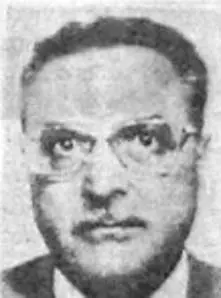
Giuseppe Furci, 54 years old, Health Director of the Regina Coeli Prison
On December 1st, 1980, a commando assassinated Giuseppe Furci, health director of the medical center at the Regina Coeli penitentiary in Rome. The ambush took place outside his home, with two gunshot wounds to the back of the head. The Red Brigades claimed responsibility for the murder, but investigators doubted it: the phone call was too long and detailed, quite different from the brief communications typical of the Red Brigades. On October 5th, 1980, he had already survived an attack: a rudimentary but powerful explosive device had been placed outside his office door. The fuse had extinguished before reaching the explosive. He was a man with a strong backbone. He had more than once denied the hospital transfer to “Lallo lo zoppo,” the well-known boss of the Roman underworld, Laudavino De Santis, as well as clashed with drug addicts. He refused to administer methadone and morphine.
Today, the Association of Victims of Memory and the Archives Network recognize him as a “victim of terrorism.” His profile appears in the volume edited by the Quirinale on the occasion of the establishment of the Day of Remembrance for Victims of Terrorism. The judicial proceedings had a discordant outcome. Several years later, De Santis confessed to the murder but was acquitted on appeal due to insufficient evidence.
Investigators’ doubts about the claim
An article in La Stampa on December 3rd, 1980, already expressed doubts about the responsibility of the Red Brigades:
“Here are the Red Brigades. We killed Dr. Furci of Rome. We know him well because he was previously in Milan. Now, the first will be Bettino Craxi because he had one of our comrades arrested.”
This was the message that a woman, speaking with a northern accent, delivered shortly after two in the morning to the switchboard operator at the Milan office of L’Unità. Convinced of the political motive behind the murder of the prison infirmary director at Regina Coeli, investigators had many doubts about the authenticity of this phone call. They pointed out that the Red Brigades had never before revealed what their next target would be in their communications. The investigation was at a standstill. Throughout the day, in the course of a major operation that led, among other things, to the arrest of numerous members of the Formazioni Comuniste Combattenti, Carabinieri and Digos agents searched the homes of extremists for clues to shed light on the crime.
Next to the supine body in the entrance hall of 115 Via Bartolomeo Gosio, fragments of the two bullets that killed the doctor at Regina Coeli were found. A preliminary examination indicated they were .38 caliber, fired from a close-range revolver. “We are following all leads,” said Achille Gallucci, Chief Prosecutor of the Republic of Rome, yesterday morning. “We still don’t know who could have committed the crime and why.”
“The doctor at Regina Coeli,” said a Digos official, “was an easy target for terrorists. He always moved without a bodyguard, and his habits were known to all. Although he had no particular power, he was sufficiently symbolic.”
Who was Giuseppe Furci?
Why did he become a target in the sights of terrorists? Because of the role he held, health director for six years at the medical center of Regina Coeli, he was a man who worked within the prison structure and, for this reason alone, was among the potential targets for a political attack.
As a doctor in the Roman prison, he worked closely with detainees. It was his responsibility to draft medical records on their health conditions. His reports guided decisions by the prison director and magistrates regarding the granting of permissions and hospital stays in civilian medical facilities. However, even those who often fought for the rights of detainees did not criticize his way of working.
The drug addict lead
It appears that the inmates of Regina Coeli seldom complained about him, and it also seems that his investigations were always timely and correct. But we know that this has never been a merit in the eyes of terrorists.
In their mad mindset, a man who works diligently is all the more to be attacked because he lends credibility to the structures of the State. However, investigators do not exclude — indeed, they follow with interest — the lead of murder matured in the environment of drug addicts. Dr. Furci was also interested in the care and assistance of drug addicts and, it seems, was against the use of methadone in prison to treat heroin victims. He also spoke out against the administration of morphine. Harsh accusations were made against him for this a few months ago, and it was thought that a retaliation by the world of drug addicts was behind the powerful unexploded device placed in front of his private studio door on Via Giulio Romano 11, near Piazza del Popolo, last October.
The claim of Walter Alasia
The lead that investigators are trying to delve deeper into remains that of Maurizio Jannelli. The terrorist militant in the Red Brigades captured in Rome on Viale Libya on November 22nd after a shootout with agents. On that occasion, a accomplice, however, managed to lose his tracks. Late in the evening, even the “Walter Alasia column” claimed the killing of the. even if However Did Was- Proclamation Made
