
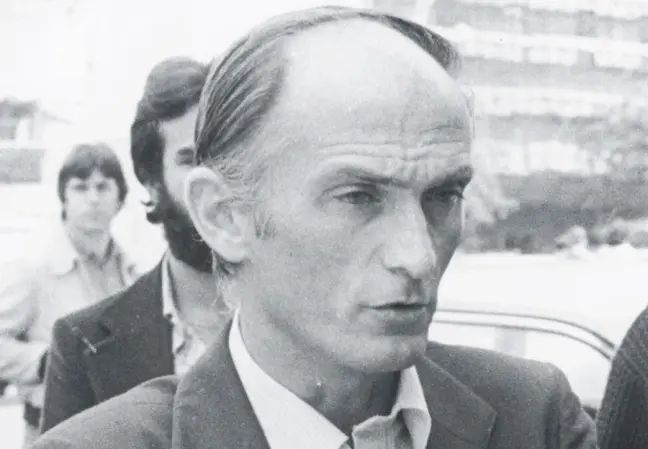
da Premio Paolo Borsellino
Mario Amato
Carrriera e indagini sull’eversione nera
Dopo essere stato sostituto procuratore presso la procura della Repubblica di Rovereto dal settembre del 1971 all’estate del 1977, il 30 giugno 1977 Mario Amato fu trasferito con la stessa qualifica presso la procura di Roma.
Ebbe incarico dal procuratore generale Giovanni de Matteo di riprendere le indagini avviate dal magistrato Vittorio Occorsio, che era stato ucciso mentre indagava sul gruppo di destra eversiva dei NAR e sul neofascista Pierluigi Concutelli (le indagini dimostrarono successivamente che fu proprio il Concutelli l’autore dell’omicidio Occorsio). Amato ebbe allora la promessa — mai mantenuta — di essere affiancato da uno o due altri colleghi.
Con Vittorio Occorsio, Mario Amato fu il primo magistrato a «tentare una “lettura globale” del terrorismo nero. Attraverso i parziali successi delle indagini su singoli episodi terroristici disse davanti al Consiglio Superiore della Magistratura (CSM) il 13 giugno 1980 — solo dieci giorni prima di essere ucciso —:
«sto arrivando alla visione di una verità d’assieme, coinvolgente responsabilità ben più gravi di quelle stesse degli esecutori materiali degli atti criminosi.»
Amato riuscì a ricostruire le connessioni tra destra eversiva e banda della Magliana e intuì i legami tra sottobosco finanziario, economico e potere pubblico. Aveva scoperto, tra l’altro, che i NAR cercavano un’alleanza “tattica” con gli estremisti di sinistra» (come auspicato da anni da Franco Freda, il teorico dell’alleanza tattica con il terrorismo di opposto colore e a quel tempo sotto processo per la strage di Piazza Fontana), e che il gruppo facente capo a Fioravanti era organizzato alla stregua delle Brigate Rosse e stava diventando estremamente pericoloso.
Fu però lasciato solo a svolgere queste indagini, isolato dai suoi superiori e oggetto di continui attacchi da parte del collega giudice Antonio Alibrandi (padre del terrorista dei NAR Alessandro, fedelissimo di Giusva Fioravanti). In una procura della Repubblica che sarà poi chiamata spesso dalla stampa, riprendendo il titolo di un’opera di Georges Simenon, Il porto delle nebbie, Amato era destinato ad entrare presto così nel mirino della destra eversiva e terroristica.
Omicidio
Il «terrorismo nero» fu da lui perciò indagato nella più sconsolante solitudine e solo rimase fino alla mattinata del 23 giugno 1980 poche settimane prima della strage di Bologna.
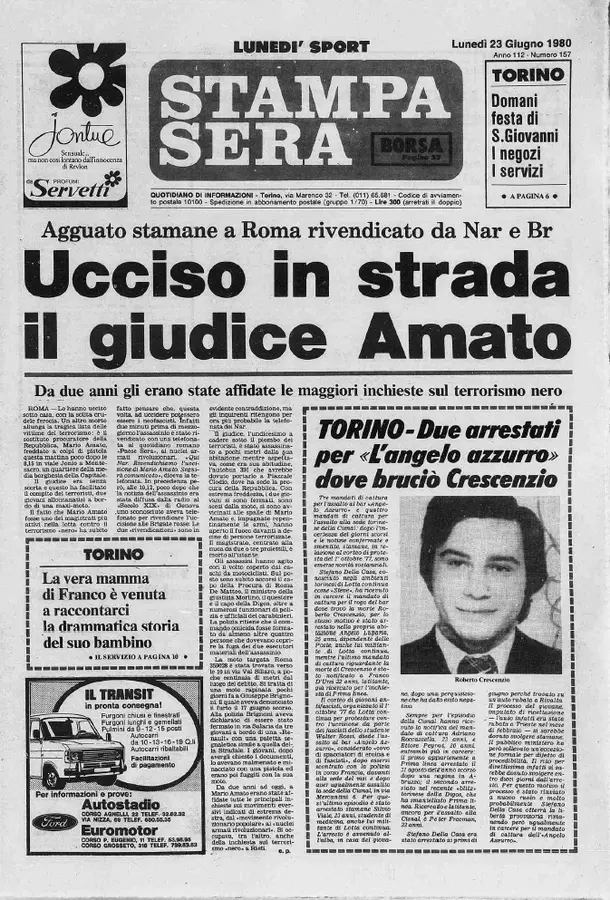
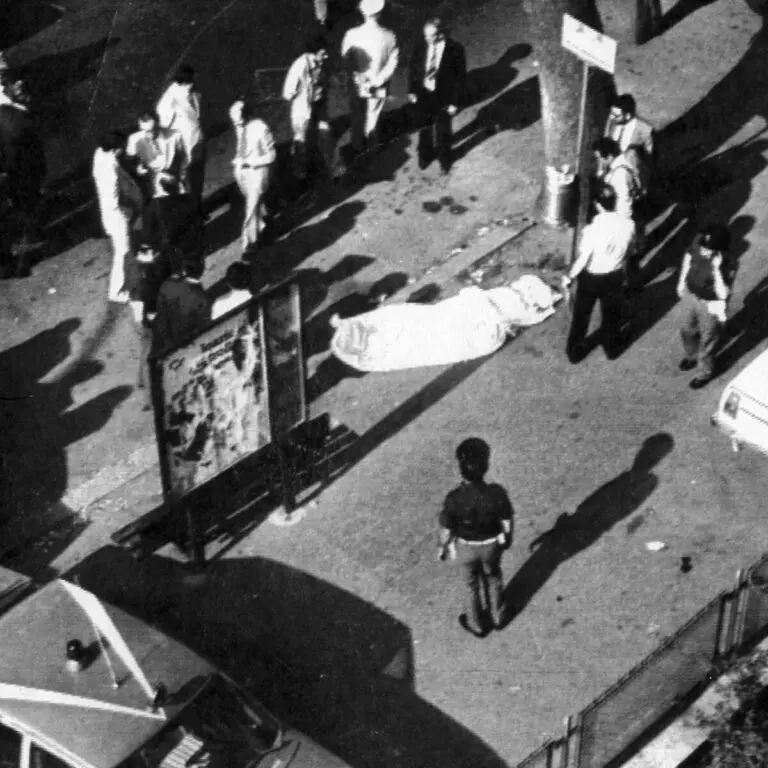
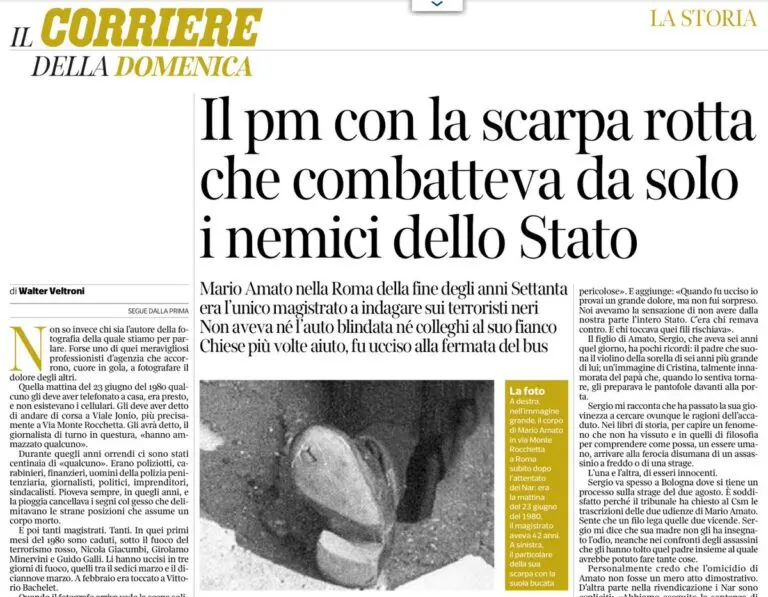
Ricevuto un diniego per l’uso di una vettura blindata, per le “difficoltà” di fargli arrivare alle 8:00 del mattino uno degli autisti (che entravano in servizio solo alle 9:00), Mario Amato non ebbe modo di giungere in sicurezza nel suo ufficio alla procura, in piazzale Clodio. Mentre attendeva un autobus alla fermata posta all’incrocio tra viale Jonio e via Monte Rocchetta, il sostituto procuratore fu raggiunto alle spalle da Gilberto Cavallini che gli esplose alla nuca un colpo di rivoltella fatale, per poi fuggire con una motocicletta che lo aspettava, alla cui guida era l’altro NAR Luigi Ciavardini.
Alla notizia dell’avvenuto assassinio, i pluriomicidi Giusva Fioravanti e Francesca Mambro festeggiarono, secondo le loro stesse dichiarazioni, consumando ostriche e brindando con champagne. Stilarono poi il volantino di rivendicazione in cui affermavano: «oggi Amato ha chiuso la sua squallida esistenza, imbottito di piombo».
Dopo la morte
Solo dopo la morte di Mario Amato si formò un pool all’interno della Procura capitolina che, in brevissimo tempo, grazie soprattutto al lavoro ed alle intuizioni del magistrato, conseguì risultati istruttori straordinari, cambiando radicalmente il modo di lavorare in tutte le indagini di eversione politica e terrorismo, di destra e di sinistra e anche in quelle di criminalità organizzata.
La Corte d’Assise di Bologna con la sentenza nr. 1/2020 ha condannato all’ergastolo Cavallini Gilberto Giorgio per il delitto di strage commesso a Bologna il 2 agosto 1980.
Fonte
Wikipedia
Approfondimenti
CSM
Archivio Flamigni
Mario Amato: il giudice solo che indagava sui terroristi neri
Dibattito con il Figlio Sergio Amato, Benedetta Tobagi e Paolo Bolognesi
Ugo Maria Tassinari
23 giugno 1980: i Nar per rompere con i vecchi gruppi uccidono il pm Mario Amato
Video
Rai Play
La Memoria – Magistrati uccisi da mafie e terrorismoMario Amato
Bologna, 2 agosto 1980Il terrore nero: Bologna, una strage che viene da lontano
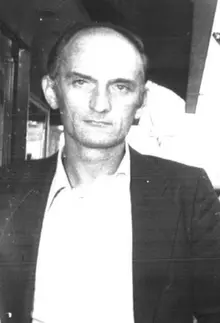
Mario Amato, da Wikipedia
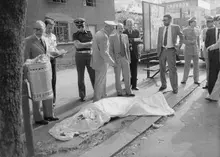
da Wikipedia
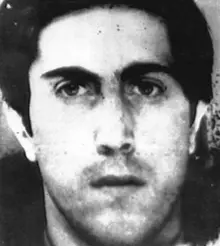
L'esecutore dell'assassinio, Gilberto Cavallini, da Wikipedia
da Reddit
da Roma Today
da Fernando Orsini-X
English version
Mario Amato, 42 years old, magistrate, Deputy Prosecutor at the Public Prosecutor’s Office in Rome
Career and investigations on the black terrorism
After serving as a deputy prosecutor at the Public Prosecutor’s Office in Rovereto from September 1971 to the summer of 1977, on June 30, 1977, Mario Amato was transferred with the same title to the prosecutor’s office in Rome.
He was tasked by the Attorney General Giovanni de Matteo to resume the investigations started by the magistrate Vittorio Occorsio, who had been killed while investigating the right-wing terrorist group NAR and the neo-fascist Pierluigi Concutelli (later investigations would show that Concutelli was indeed the author of Occorsio’s murder). Amato was then promised — a promise that was never fulfilled — to be assisted by one or two other colleagues.
Together with Vittorio Occorsio, Mario Amato was the first magistrate to “attempt a comprehensive reading” of black terrorism. Through the partial successes of the investigations into individual terrorist acts, he stated before the Superior Council of the Judiciary (CSM) on June 13, 1980 — just ten days before he was killed —:
“I am coming to the view of an overall truth, involving responsibilities far more serious than those of the material executors of the criminal acts.”
Amato managed to reconstruct the connections between right-wing terrorism and the Magliana gang, and he intuited the links between the underground financial and economic sectors and public power. Among other things, he discovered that the NAR were seeking a “tactical” alliance with leftist extremists (as advocated for years by Franco Freda, the theorist of tactical alliance with terrorism of the opposite color and at that time under trial for the Piazza Fontana massacre), and that the group led by Fioravanti was organized similarly to the Red Brigades and was becoming extremely dangerous.
However, he was left alone to conduct these investigations, isolated by his superiors and subject to continuous attacks by his colleague judge Antonio Alibrandi (father of NAR terrorist Alessandro, a loyal follower of Giusva Fioravanti). In a public prosecutor’s office that would later be frequently referred to by the press, echoing the title of a work by Georges Simenon, “The Port of Shadows,” Amato was destined to soon become a target of right-wing subversion and terrorism.
Assassination
Thus, “black terrorism” was investigated by him in the most disheartening solitude and remained alone until the morning of June 23, 1980, a few weeks before the Bologna massacre.
Having been denied the use of an armored car, due to the “difficulties” of having one of the drivers arrive by 8:00 in the morning (they started at 9:00), Mario Amato had no way of safely reaching his office at the prosecutor’s office on Piazzale Clodio. While waiting for a bus at the stop at the intersection of Viale Jonio and Via Monte Rocchetta, the deputy prosecutor was shot in the back of the head by Gilberto Cavallini, who fired a fatal shot with a revolver, and then fled on a motorcycle driven by another NAR member, Luigi Ciavardini, who was waiting for him.
Upon hearing the news of the assassination, the multiple murderers Giusva Fioravanti and Francesca Mambro celebrated, according to their own statements, by consuming oysters and toasting with champagne. They then drafted the claim flyer in which they stated: “Today Amato closed his squalid existence, filled with lead.”
After death
Only after Mario Amato’s death did a team form within the Roman Prosecutor’s Office which, in a very short time, thanks above all to the work and intuitions of the magistrate, achieved extraordinary investigative results, radically changing the way of working in all investigations of political subversion and terrorism, both right-wing and left-wing, as well as in those of organized crime.
The Assize Court of Bologna with sentence no. 1/2020 sentenced Gilberto Giorgio Cavallini to life imprisonment for the massacre committed in Bologna on August 2, 1980.
