
Dall’autobiografia di Armando Spataro che, al di là dei diversi ruoli, lui PM, Galli giudice istruttore, ne fu il più stretto collaboratore nelle inchieste antiterrorismo
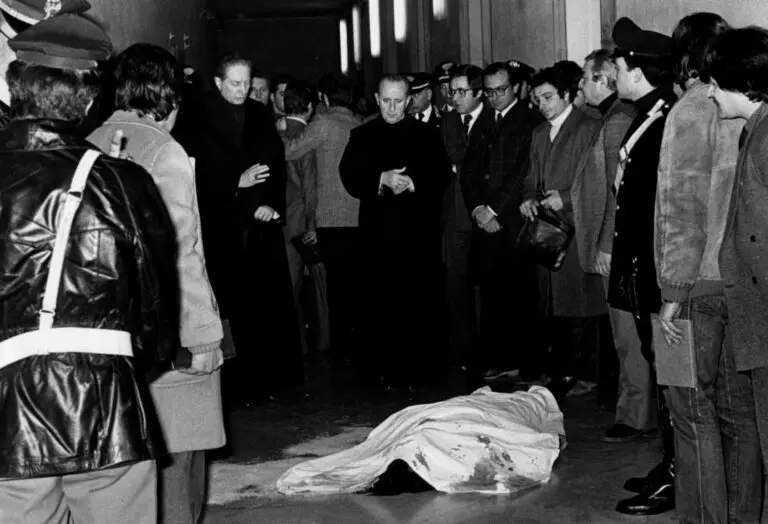
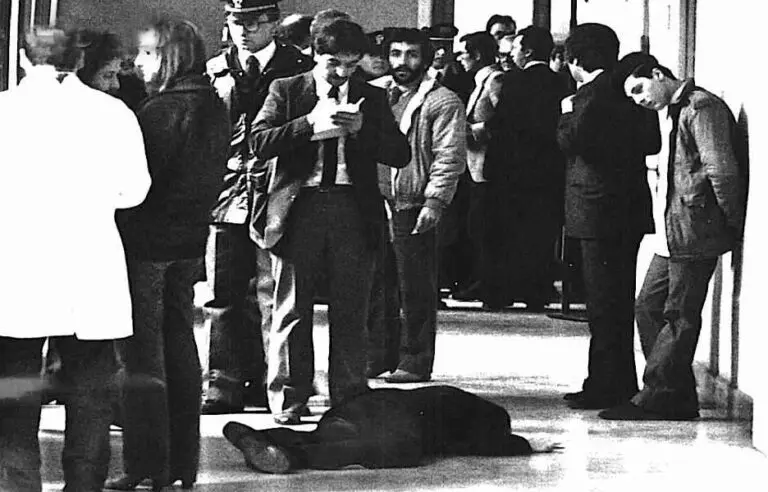
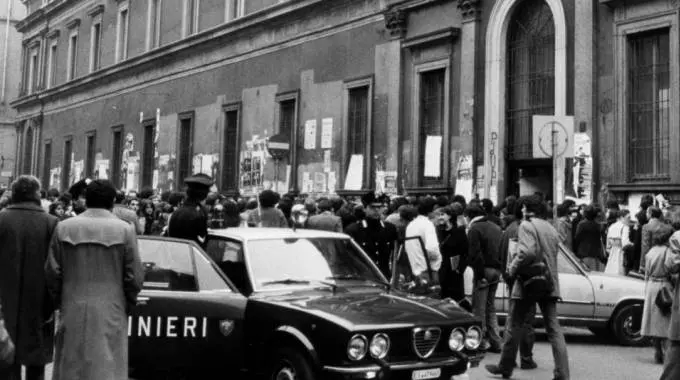
[Guido Galli] fu ucciso il 19 marzo 1980, davanti all’aula dell’Università Statale di Milano dove attendeva di entrare per tenere la sua lezione. Aveva quarantotto anni. Ricordo quelle ore come le stessi vivendo adesso: al mattino di quel 19 marzo, Guido mi dice che a mezzogiorno deve andare a casa perché è San Giuseppe e si festeggia l’onomastico di suo figlio. Anche quel giorno, lo accompagno a casa con la mia scorta. Mi dice che sarebbe andato nel pomeriggio in università e che dopo ci saremmo rivisti in ufficio, come facevamo quasi ogni giorno. Lo aspetto, dunque, nella mia stanza: è ormai pomeriggio. Mi telefona il capo della Digos, Mario Lo Schiavo: «Armando, corri in università, la Statale…». Capisco subito. Non lo lascio finire, esco dall’ufficio urlando e corro a piedi alla Statale, a poca distanza dal Tribunale. Non c’è ancora molta gente, ricordo due capitani dei carabinieri (uno è Sandro Ruffino) e un funzionario della Digos che cercano di tenermi lontano da Guido Galli perché sanno che cosa lui è per me. Il vero mio maestro, il fratello maggiore che non ho mai avuto. È steso per terra, di fronte all’aula 305 dove avrebbe dovuto svolgere la sua lezione, con il codice aperto a meno di mezzo metro da lui, vicino alla mano. Sulla sua agendina telefonica c’è scritto: «Se mi succede qualcosa telefonate ad Armando Spataro tel. n…». Ho ancora la fotocopia di quella pagina. La figlia Alessandra frequenta la facoltà di Giurisprudenza e quel giorno è alla Statale. Viene a sapere dell’attentato e si avvicina al papà. Gli amici le stanno attorno. Il «Corriere della Sera» pubblica il giorno successivo, in prima pagina, la foto del corridoio della Statale dove è avvenuto l’omicidio: il codice aperto, ancora per terra, è in primo piano. Sotto la foto, un articolo di Giovanni Testori che dice: «Il codice che gli era caduto di mano resta aperto davanti agli occhi atterriti dei giovani e di noi tutti. Aperto a dirci cosa? Che la legge dell’umana convivenza è più forte di ogni Caino…». Nell’ottobre del 1980, quando Marco Barbone iniziò a collaborare, sapemmo che Guido sarebbe potuto morire anche il giorno prima, il 18 marzo: Barbone stesso, Paolo Morandini, Daniele Laus e Manfredi De Stefano (poi membri della Brigata 28 Marzo) erano sotto casa sua, armati e con auto rubata, pronti ad ucciderlo. Un ritardo di Guido nell’uscire di casa gli regalò altre ventiquattr’ore di vita. Galli era dunque il primo e più importante bersaglio dei terroristi milanesi.
Non ho avuto il tempo di parlare ai suoi studenti, ma ho avuto la fortuna di fare da magistrato affidatario per il tirocinio di due dei «bambini Galli», Alessandra e Carla, nostre colleghe, due tra i migliori uditori che abbia mai avuto la fortuna di seguire, così diverse tra loro ma entrambe eguali a Guido. Spero di avere trasmesso loro anche solo una minima parte di quel che Guido aveva insegnato a me. L’omicidio ricompattò i magistrati di Milano. Anche i giudici istruttori, come noi della Procura avevamo fatto dopo la morte di Emilio, indirizzarono un documento al Csm chiedendo che l’ufficio fosse dotato degli strumenti adeguati e moderni di lavoro che mancavano e che i magistrati «a rischio» venissero sottoposti a misure di sicurezza. «Repubblica» scrisse anche che un primo momento di unità è stato raggiunto quando un drappello di giudici istruttori ha imboccato le scale che portano al piano superiore, quella della Procura della Repubblica. Destinazione: l’ufficio del sostituto Armando Spataro.
Domenica «il manifesto» in un articolo aveva indicato Spataro come «capo ufficio ombra» della Procura milanese, accusandolo di accentrare le inchieste di terrorismo. E ad Armando Spataro i giudici istruttori hanno voluto esprimere la propria solidarietà. Non lo avrei mai dimenticato. Di Guido, dopo, ho scoperto tante altre cose: Bianca, la moglie, mi ha mostrato, ad esempio, i bei disegni che Guido faceva. Aveva una passione: disegnava campi di battaglia ed eserciti schierati l’uno contro l’altro. Armi e divise disegnati in modo incredibilmente preciso. Il disegno, una vera passione per lui.
Quindici giorni prima della sua morte mi mandò una cartolina dal Passo del Tonale: sopra la firma, il disegno di uno sciatore (lui) sotto il sole e quello di un magistrato in toga (io) che parla alla Corte. Ho visto poi tante fotografie di Guido e tutti noi suoi amici ne abbiamo una che lo ritrae seduto e sorridente – come sempre – in montagna. In un’intervista ad Ibio Paolucci, dell’«Unità», anche Bianca ha ricordato quel giorno: si festeggiava l’onomastico del figlio Giuseppe e della mamma di Guido ed erano stati invitati a casa anche i nonni. C’erano due torte a casa quel 19 marzo, una per il pranzo e l’altra per la cena, ma Guido poté gustare solo la prima e con quella festeggiare solo una volta. E suo padre, una settimana dopo, mandò una lettera e un regalo a mia moglie: «Gentile signora Spataro ho conosciuto suo marito in questi giorni così tristi ed ho capito perché e come tra lui e il Guido ci fosse un rapporto di fraterna amicizia. Per questo mi permetto di pregare lei e suo marito di accettare questo pacchetto che le unisco. Sono due tovagliette – non sono nuove – le abbiamo usate mia moglie ed io a mezzogiorno di mercoledì 19, poche ore prima che ammazzassero il Guido. Gliele avevo regalate alla mamma del Guido per il suo onomastico che dovevamo festeggiare la sera in casa di Bianca con Guido e i suoi bei bambini. La prego di usare questi straccetti, assieme a suo marito […] e gli dica che Guido mi ha aiutato a perdonare i malvagi».
A suo padre, Guido Galli aveva scritto nel 1957 una lettera per spiegare perché aveva deciso di fare il magistrato e non l’imprenditore: «Perché vedi, papà, io non ho mai pensato ai grandi clienti o alle belle sentenze o ai libri: io ho pensato, soprattutto, e ti prego di credere che dico la verità come forse non l’ho mai detta in vita mia, a un mestiere che potesse darmi la grande soddisfazione di fare qualcosa per gli altri».
Dopo pochi mesi arrestammo gli assassini: a due capi di Prima Linea di Milano (Bruno La Ronga e Silveria Russo) chiesi perché avessero ucciso uno come Guido. Dopo avermi insultato, la donna mi disse che mi avrebbero parlato solo se non ci fossero state altre persone nella stanza e se mi fossi impegnato a non riferire a nessuno di quel colloquio. Accettai: mi dissero che ben sapevano chi era Guido, che avevano le loro fonti nel palazzo di Giustizia. Sapevano, dunque, che lui era la vera mente dell’antiterrorismo a Milano e che io ero solo uno strumento nelle sue mani raffinate, sapevano che sarebbe passato in Procura. Alludendo ad Alessandrini e Galli, dicevano che erano gli uomini come loro a legittimare le istituzioni, non i biechi repressori (e credo proprio che tra questi collocassero anche me). Ho rivisto tanti anni dopo Silveria Russo, è persona diversa. Sarei disposto a parlare con lei dei suoi figli e della sua vita; mentre non potrei farlo con un testimone che ancora oggi ricordo: era un giovane abbastanza colto (peraltro, studente di Guido), il cui padre vendeva biciclette. Una «pentita» – Fiammetta Bertani – ci disse, cinquanta giorni dopo l’omicidio, che in quel negozio lei ed altri avevano acquistato le biciclette usate per la fuga nel dedalo di viuzze attorno all’università di Milano.
Lo sentii come testimone e lui negò tutto; gli dissi che c’era chi già aveva confessato e che avevo solo bisogno di riscontri, che lui, ad esempio, provasse a riconoscere delle foto. Rispose – e così fece poi suo padre – che lui non voleva essere tirato in ballo in queste cose anche perché «se avevano ucciso Galli qualche ragione doveva pure esserci stata». Rimase in carcere, come il padre. Non ricordo il nome di quel giovane, ma non riesco a dimenticare la rabbia di quel giorno.
Rammento tante altre cose del dopo 19 marzo: una riunione di lavoro a Parma, qualche giorno dopo l’omicidio, io che ancora continuavo ad essere mentalmente assente e Piero Vigna che mi scuote (una volta per tutte) stringendomi un braccio e dicendo secco e forte: «Oh Armando!»; io e Giuliano Turone (i nostri rapporti di amicizia e stima si erano un po’ raffreddati per qualche dissenso sulle modalità di conduzione delle indagini sull’omicidio Torregiani) che ci ritroviamo nell’ufficio di Guido, dove avevo accompagnato Bianca a ritirare le cose del marito, e ci abbracciamo piangendo dopo che Gerardo D’Ambrosio ci aveva pregato di guardarci negli occhi. E ricordo la pena e la rabbia che mi assalirono mentre, nel giugno dell’80, firmavo otto ordini di cattura contro i responsabili dell’omicidio di Guido, prima che il processo fosse trasferito a Torino.
19 marzo 1980: da pochissimo aveva iniziato a collaborare Patrizio Peci delle Br, ad aprile ’80 iniziò a farlo Roberto Sandalo di Prima Linea, e poi, in autunno, come ho già detto, Marco Barbone e Michele Viscardi, pure di Pl, uno degli autori materiali degli omicidi di Alessandrini e Galli; e poi tanti altri. Il 21 giugno dell’80 la Corte d’Assise di Milano condannava Corrado Alunni a ventinove anni di reclusione e i suoi complici a pene oscillanti tra i venti ed i ventotto anni. Le condanne vennero confermate in appello. Il terrorismo stava per essere spazzato via, ma quel 1980 fu l’anno orribile per l’Italia, non solo per la strage di Bologna del 2 agosto. Se Sandalo avesse parlato un mese prima… Guido sarebbe vivo. Se Guido non fosse andato all’università quel pomeriggio… se io fossi andato a parlare quel pomeriggio all’università, con la mia scorta… se il processo Alunni, formalizzato, fosse finito ad altro giudice istruttore… se… se… La tua luce annienterà le tenebre nelle quali vi dibattete (Così è scritto sulla lapide che i familiari di Guido hanno voluto nel palazzo di Giustizia di Milano, al secondo piano, accanto alla porticina del suo piccolo ufficio.)
Oggi 19 marzo 1980, alle ore 16 e 50 un gruppo di fuoco della organizzazione comunista Prima Linea ha giustiziato con tre colpi calibro 38 Spl il giudice Guido Galli dell’ufficio istruzione del tribunale di Milano […]. Galli appartiene alla frazione riformista e garantista della magistratura, impegnato in prima persona nella battaglia per ricostruire l’ufficio istruzione di Milano come un centro di lavoro giudiziario efficiente, adeguato alle necessità di ristrutturazione, di nuova divisione del lavoro dell’apparato giudiziario, alla necessità di far fronte alle contraddizioni crescenti del lavoro dei magistrati di fronte all’allargamento dei terreni d’intervento, di fronte alla contemporanea crescente paralisi del lavoro di produzione legislativa delle camere […].
(Così è scritto nel comunicato di Prima Linea che rivendicò l’uccisione di Guido Galli e che paradossalmente contiene di lui un alto ed involontario elogio.) Guido a terra, nel corridoio dell’università, di fronte all’aula dove stava per tenere lezione. Aveva il codice accanto, sul pavimento. Questa è l’immagine che continua a venirmi in mente. E io non posso fare a meno di evocarla, anche a costo di apparire retorico, quando lo ricordo in pubblico o nei convegni in cui si parla delle modalità della lotta al terrorismo. Un groppo, allora, mi stringe la gola e la platea che mi ascolta – piccola o grande che sia – è costretta, imbarazzata e silente, ad aspettare che mi passi. Ma io la sento vicina, partecipe, rispettosa, e questo mi aiuta molto. E spesso, allora, per superare l’empasse, penso a quel presidente del Consiglio dei ministri che, nel 2005, ha dichiarato alla stampa estera: «Non ci si può aspettare che i governi combattano il terrorismo con il codice in mano».
Ecco: la rabbia torna a rianimarmi e, pensando sempre a Guido ed a quel codice che era la stella polare della sua vita, mi dico che forse quel presidente del Consiglio non si rendeva conto della gravità di ciò che diceva, forse non sapeva nulla di Galli o – più probabilmente – ignora che si può consapevolmente accettare il rischio della propria fine solo per difendere il senso della legge. La rabbia scioglie così quel nodo. Riprendo a parlare di Guido, la platea supera il suo imbarazzo, mi incoraggia e riesco ad arrivare fino alla fine.
Armando Spataro
Fonte
Ugo Maria Tassinari
19 marzo 1980: Prima Linea uccide il giudice Guido Galli
Approfondimenti
Istituto Guido Galli
Vogliamo ricordare Guido Galli
L’incontro
19 Marzo 1980: attentato a Guido Galli. L’Università non fu più la stessa
Avvenire
TERRORISMO. Guido Galli: sacrificio e libertà
ANM
Questione Giustizia
Intervento di Edmondo Bruti Liberati
In ricordo di Emilio Alessandrini e Guido Galli
Interventi di Francesco Gianfrotta
Sistema Penale
GUIDO GALLI E IL RUOLO DEL MAGISTRATO, IERI, OGGI, DOMANI
Famiglia Cristiana
SPATARO: “IL MIO MIO MAESTRO GUIDO GALLI UCCISO DALLA VENDETTA ASSURDA CHE COLPIVA I MIGLIORI”
Il Sole 24 ore
L’attualità della lezione di Guido Galli
Video
Rai Teche
La storia siamo noi: Guido Galli
TV 2000
Alessandra Galli racconta Guido Galli
Rai Play
La Memoria. Magistrati uccisi da mafia e terrorismo
Il Libro
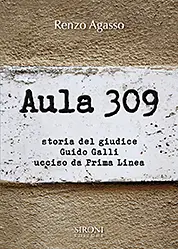
Aula 309 – Storia del giudice Guido Galli ucciso da Prima Linea
Alpha Test
da ANM
da Fondazione Carlo Maria Martini
da Racconti di libri
da Il Giorno
English version
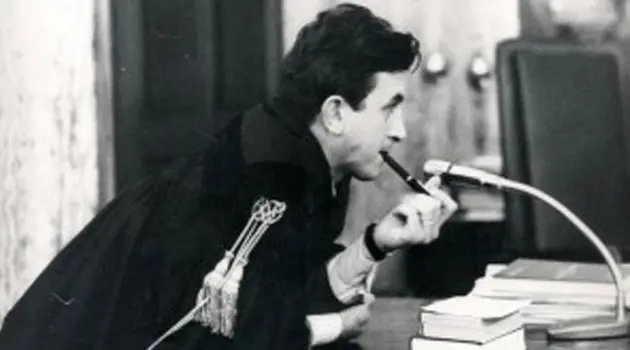
Guido Galli, 47 years old, magistrate and Professor of Criminology at the State University of Milan
From the autobiography of Armando Spataro, who, despite their different roles, he as PM and Galli as examining judge, was his closest collaborator in anti-terrorism investigations:
“[Guido Galli] was killed on March 19, 1980, in front of the classroom at the State University of Milan where he was waiting to enter to give his lecture. He was forty-eight years old. I remember those hours as if I were living them now: on the morning of March 19, Guido tells me that at noon he needs to go home because it’s St. Joseph’s Day and they are celebrating his son’s name day. Even that day, I accompanied him home with my security detail. He tells me he will go to the university in the afternoon and that we would meet again in the office afterwards, as we did almost every day. So I wait for him in my room: it’s already afternoon. Mario Lo Schiavo, the head of the Digos, calls me: ‘Armando, run to the university, the State…’ I understand immediately. I don’t let him finish, I leave the office screaming and run on foot to the State University, a short distance from the courthouse. There aren’t many people yet, I remember two captains of the carabinieri (one is Sandro Ruffino) and a Digos officer trying to keep me away from Guido Galli because they know what he meant to me. My true teacher, the older brother I never had. He’s lying on the ground, in front of classroom 305 where he was supposed to give his lecture, with the code book open less than half a meter from him, near his hand. On his phone book, it says: ‘If something happens to me, call Armando Spataro tel. n…’. I still have a photocopy of that page. His daughter Alessandra attends the Law Faculty and is at the State University that day. She learns about the attack and approaches her father. Her friends gather around her. The ‘Corriere della Sera’ publishes the next day, on the front page, a photo of the corridor of the State University where the murder took place: the open code book, still on the ground, is in the foreground. Below the photo, an article by Giovanni Testori says: ‘The code that fell from his hand remains open in front of the terrified eyes of the young and all of us. Open to tell us what? That the law of human coexistence is stronger than any Cain…’.
In October 1980, when Marco Barbone began to collaborate, we learned that Guido could have died the day before, March 18: Barbone himself, Paolo Morandini, Daniele Laus, and Manfredi De Stefano (later members of the 28th March Brigade) were under his house, armed and with a stolen car, ready to kill him. A delay in Guido leaving his house gave him another twenty-four hours of life. Thus, Galli was the first and most important target of the Milanese terrorists.
I didn’t have the time to speak to his students, but I had the fortune to be the supervising magistrate for the internship of two of the ‘Galli children,’ Alessandra and Carla, our colleagues, two of the best listeners I’ve ever had the fortune to follow, so different from each other but both equal to Guido. I hope I have transmitted to them even a small part of what Guido taught me. The murder reunited the magistrates of Milan. Even the examining judges, as we at the Prosecutor’s Office had done after Emilio’s death, sent a document to the CSM asking that the office be equipped with adequate and modern work tools that were lacking and that ‘at-risk’ magistrates be subjected to security measures. ‘Repubblica’ also wrote that a first moment of unity was achieved when a group of examining judges climbed the stairs to the upper floor, to the Prosecutor’s Office. Destination: the office of Deputy Prosecutor Armando Spataro.
On Sunday, ‘il manifesto’ in an article had indicated Spataro as the ‘shadow office chief’ of the Milan Prosecutor’s Office, accusing him of centralizing the terrorism investigations. And the examining judges wanted to express their solidarity with Armando Spataro. I would never forget that. I discovered many other things about Guido later: Bianca, his wife, showed me, for example, the beautiful drawings Guido made. He had a passion: he drew battlefields and armies lined up against each other. Weapons and uniforms drawn incredibly precisely. Drawing was a true passion for him.
Fifteen days before his death, he sent me a postcard from the Passo del Tonale: above the signature, the drawing of a skier (him) under the sun and that of a magistrate in a robe (me) speaking to the Court. I later saw many photographs of Guido and all of us friends have one of him sitting and smiling – as always – in the mountains. In an interview with Ibio Paolucci of ‘l’Unità,’ even Bianca remembered that day: they were celebrating the name day of their son Giuseppe and Guido’s mother and had also invited the grandparents to their home. There were two cakes at home that March 19, one for lunch and the other for dinner, but Guido could only enjoy the first one and celebrate only once. And his father, a week later, sent a letter and a gift to my wife: ‘Dear Mrs. Spataro, I met your husband in these sad days and I understood why and how there was a brotherly friendship between him and Guido. For this reason, I ask you and your husband to accept this package that I enclose. They are two placemats – they are not new – we used them my wife and I at noon on Wednesday the 19th, a few hours before they killed Guido. I had given them to Guido’s mother for her name day, which we were to celebrate in the evening at Bianca’s house with Guido and his beautiful children. Please use these rags, together with your husband […] and tell him that Guido helped me forgive the wicked.’
Guido Galli had written a letter to his father in 1957 to explain why he decided to become a magistrate and not an entrepreneur: ‘Because you see, dad, I have never thought of big clients or beautiful sentences or books: I have thought, above all, and I beg you to believe that I speak the truth as perhaps I have never said it in my life, of a job that could give me the great satisfaction of doing something for others.’
A few months later, we arrested the killers: to two heads of Prima Linea in Milan (Bruno La Ronga and Silveria Russo), I asked why they had killed someone like Guido. After insulting me, the woman said they would only talk if there were no other people in the room and if I promised not to tell anyone about that conversation. I agreed: they told me that they well knew who Guido was, that they had their sources in the courthouse. They knew, therefore, that he was the true mastermind of anti-terrorism in Milan and that I was only a tool in his refined hands; they knew that he would move to the Prosecutor’s Office. Referring to Alessandrini and Galli, they said that it was men like them who legitimized the institutions, not the vile repressors (and I believe they placed me among these). I met Silveria Russo again many years later; she is a different person. I would be willing to talk to her about her children and her life; while I could not do it with a witness I still remember: he was a fairly educated young man (moreover, a student of Guido), whose father sold bicycles. A ‘penitent’ – Fiammetta Bertani – told us, fifty days after the murder, that in that shop she and others had bought the bicycles used for the escape in the maze of alleys around the University of Milan.
I heard him as a witness and he denied everything; I told him that someone had already confessed and that I only needed corroboration, that he, for example, should try to recognize some photos. He replied – and so did his father later – that he didn’t want to be involved in these things also because ‘if they killed Galli there must have been some reason.’ He stayed in jail, as did his father. I don’t remember the young man’s name, but I can’t forget the anger of that day.
I remember many other things after March 19: a work meeting in Parma, a few days after the murder, me still being mentally absent and Piero Vigna shaking me (once and for all) by gripping my arm and saying sharply and loudly: ‘Oh Armando!’; me and Giuliano Turone (our friendship and esteem had cooled a bit due to some disagreements on how to conduct the investigations on the Torregiani murder) finding ourselves in Guido’s office, where I had accompanied Bianca to collect her husband’s belongings, and hugging each other crying after Gerardo D’Ambrosio had asked us to look each other in the eyes. And I remember the pain and anger that assailed me while, in June 1980, I signed eight arrest warrants against those responsible for Guido’s murder, before the trial was transferred to Turin.”
**March 19, 1980: Patrizio Peci from the Red Brigades had just started collaborating. In April 1980, Roberto Sandalo from Prima Linea began to do the same, followed in the fall, as I mentioned earlier, by Marco Barbone and Michele Viscardi, also from Prima Linea, one of the material authors of the murders of Alessandrini and Galli; and then many others. On June 21, 1980, the Court of Assizes of Milan sentenced Corrado Alunni to twenty-nine years in prison and his accomplices to sentences ranging from twenty to twenty-eight years. The convictions were confirmed on appeal. Terrorism was on the verge of being swept away, but that 1980 was a horrible year for Italy, not just because of the Bologna massacre on August 2. If Sandalo had spoken a month earlier… Guido would be alive. If Guido had not gone to the university that afternoon… if I had gone to speak at the university that afternoon, with my escort… if the Alunni trial, formalized, had ended up with another examining judge… if… if…
Your light will annihilate the darkness in which you struggle (This is written on the plaque that Guido’s family wanted in the courthouse in Milan, on the second floor, next to the small door of his little office.)
Today, March 19, 1980, at 4:50 pm, a firing squad of the communist organization Prima Linea executed Judge Guido Galli of the examining office of the Milan court with three .38 Spl caliber shots […]. Galli belongs to the reformist and guarantor faction of the judiciary, personally committed to the battle to rebuild the Milan examining office as an efficient judicial work center, adequate to the needs of restructuring, a new division of labor within the judicial apparatus, and to the necessity of coping with the increasing contradictions of the magistrates’ work in the face of the expanding intervention fields, in the face of the simultaneous growing paralysis of the legislative production work of the chambers […].
(This is written in the Prima Linea communiqué claiming responsibility for the killing of Guido Galli, which paradoxically contains a high and unintended praise of him.) Guido lying on the ground, in the university corridor, in front of the classroom where he was about to give a lecture. He had the codebook next to him, on the floor. This is the image that keeps coming to my mind. And I can’t help but evoke it, even at the risk of appearing rhetorical, when I remember him in public or at conferences discussing the methods of fighting terrorism. A lump, then, tightens my throat and the audience listening to me – small or large as it may be – is forced, embarrassed and silent, to wait for it to pass. But I feel them close, involved, respectful, and this helps me a lot. And often, to overcome the impasse, I think of that Prime Minister who, in 2005, declared to the foreign press: ‘You can’t expect governments to fight terrorism with the codebook in hand.’
Here: the anger reanimates me and, always thinking of Guido and that codebook that was the guiding star of his life, I tell myself that perhaps that Prime Minister did not realize the gravity of what he was saying, perhaps he knew nothing of Galli or – more likely – he ignores that one can consciously accept the risk of one’s end only to defend the meaning of the law. The anger thus dissolves that knot. I resume talking about Guido, the audience overcomes its embarrassment, encourages me, and I manage to get to the end.
Armando Spataro
