
Raffaele Cinotti era nato a San Prisco (CE), 23 maggio 1953. Il 7 aprile 1981, alle 6:45 del mattino, venne aggredito sotto la propria abitazione, mentre si stava recando in servizio. L’omicidio è stato compiuto da tre brigatisti proprio all’uscita del portone di casa in Via Acquaroni 123 a Roma (zona Tor Bella Monaca nei pressi della Via Casilina) dove l’Agente, di 28 anni, viveva con la moglie e due figli di due anni e cinque mesi.
Capoposto al reparto di isolamento giudiziario della Casa circondariale di Roma Rebibbia, l’Agente Raffaele Cinotti cadde vittima di un agguato terroristico tesogli da tre individui che gli esplosero otto colpi di pistola. L’agguato mortale fu rivendicato dalle “Brigate Rosse” con una telefonata al centralino del quotidiano “La Repubblica”. L’omicidio fu espressione, al pari di altri, della campagna di intimidazione del terrorismo di estrema sinistra sul “fronte carceri”.
L’AGGUATO
I tre brigatisti che lo aspettavano a poca distanza dal portone d’ingresso, lo hanno colpito con otto colpi di pistola calibro 6 e 7,65: sedici i bossoli trovati sul posto. Un operaio che si stava recando al lavoro è stato testimone dell’omicidio, ma è riuscito solo a vedere i tre brigatisti fuggire a bordo di una Fiat 128 bianca forse guidata da un quarto complice. In un primo momento si era parlato di una possibile “risposta” dei brigatisti, all’arresto di Mario Moretti avvenuto a Milano il 4 aprile 1981, infatti con una telefonata al centralino del quotidiano La Repubblica, meno di un’ora dopo, la voce di un uomo ha rivendicato l’attentato: “Qui Brigate rosse. Abbiamo giustiziato l’aguzzino, torturatore, sfruttatore Cinotti – poi prima di riagganciare ha ammonito a non toccare i compagni arrestati a Milano”. Per gli inquirenti invece, era una semplice coincidenza. I brigatisti seguivano Raffaele Cinotti da parecchi giorni e hanno aspettato proprio un martedì per compiere l’agguato, giorno di chiusura dell’unico bar della zona situato proprio di fronte all’abitazione di Cinotti. Il luogo di un secondo avviso di rivendicazione è stato comunicato alla redazione de Il Messaggero: il messaggio si trovava sotto un’auto parcheggiata in Via Rasella.
LA STRATEGIA DELLE BR
L’omicidio di Raffaele Cinotti, era parte di una strategia della colonna romana delle BR e più in generale dell’intera organizzazione, volta a colpire gli uomini e le istituzioni dell’amministrazione penitenziaria. L’anno prima era stato ucciso il giudice Girolamo Minervini, appena nominato Direttore Generale degli Istituti di Prevenzione e Pena (l’attale Capo DAP) e soltanto poche settimane prima, il 15 gennaio, era stato liberato il giudice Giovanni D’Urso rapito il 12 dicembre 1980 e del quale i brigatisti avevano diffuso una foto nella quale appariva con al collo la scritta «Organizzare la liberazione dei proletari prigionieri, smantellare il circuito della differenziazione» (ovvero il circuito penitenziario di rigore previsto per i terroristi).. In quel momento D’Urso ricopriva l’incarico di direttore dell’ufficio III della Direzione Generale degli Istituti di Prevenzione e Pena. Sul luogo dell’omicidio di Raffele Cinotti, i brigatisti avevano lasciato un plico intitolato “Campagna D’Urso”, con 121 pagine che costituivano il “bilancio” del sequestro: un comunicato della “brigata kampo di Palmi”, dai testi dei dieci volantini emessi durante la prigionia del giudice, dai diari tenuti dai detenuti di Trani durante la rivolta del dicembre precedente stroncata dal blitz dei Carabinieri, da alcune pagine dell’interrogatorio del magistrato rapito contenenti anche l’organigramma dell’amministrazione penitenziaria.
Raffaele Cinotti aveva più volte chiesto il trasferimento a Caserta per poter vivere vicino ai suoi genitori originari di San Prisco di Caserta, ma non aveva mai fatto intendere ad amici e parenti di essere in pericolo diretto.
Fonte
Penitenziaria.it
Raffaele Cinotti, Vice Brigadiere degli Agenti di Custodia ucciso dalle BR il 7 aprile 1981
Approfondimento
Mondo professionisti
Arrestati a Parigi 7 brigatisti su richiesta dell’Italia
Video
Polizia Penitenziaria
Servizio del telegiornale sull’assassinio del brigadiere degli Agenti di Custodia Raffaele Cinotti
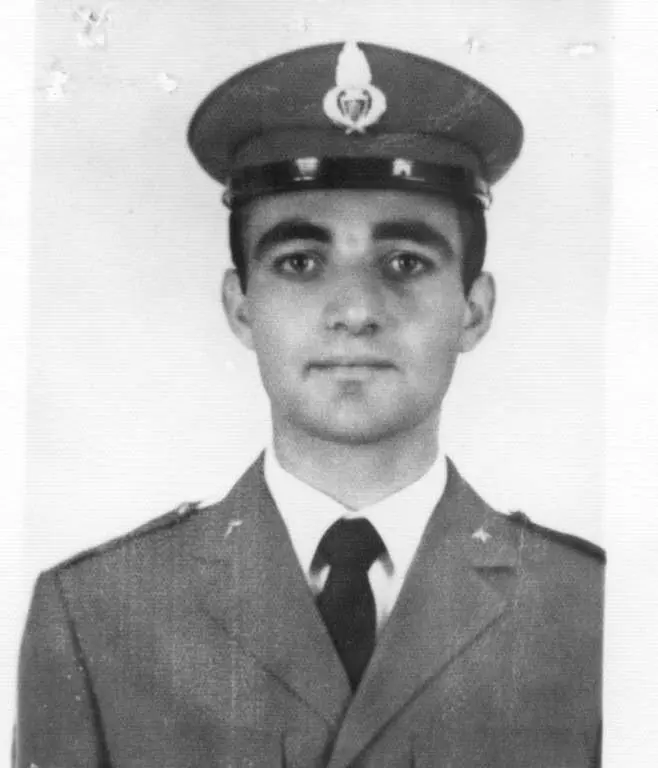
da M inistero Giustizia, Corpo Polizia Penitenziaria
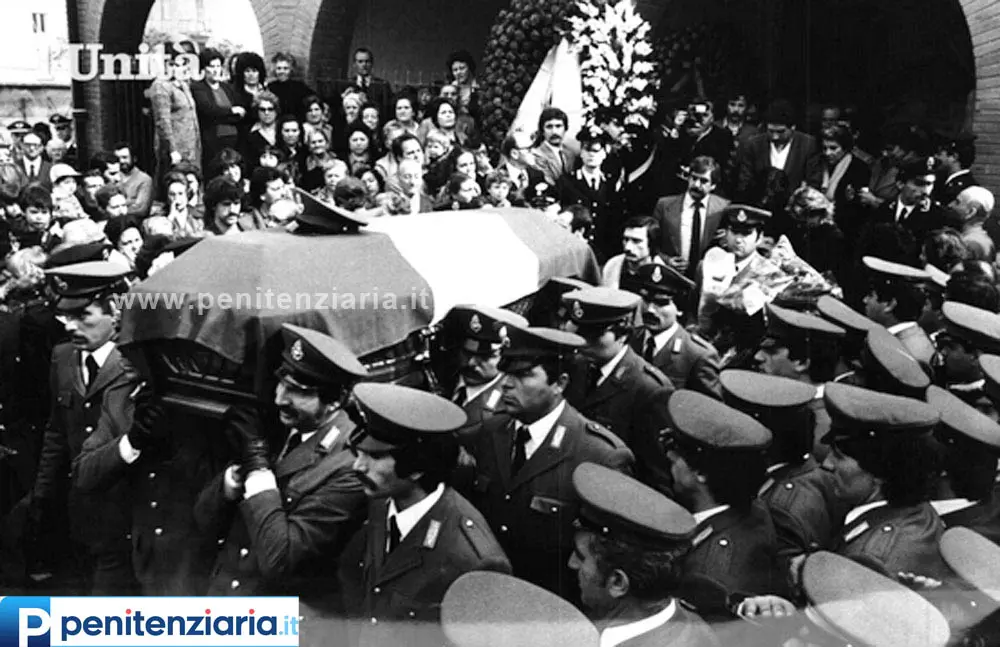
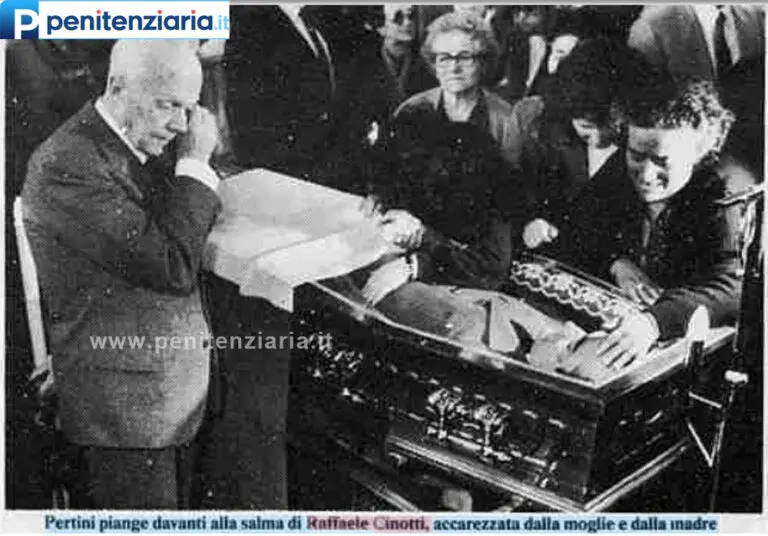
da Penitenziaria.it
English version
Raffaele Cinotti, 28 years old, Deputy Brigadier of the Custody Corps
Raffaele Cinotti was born in San Prisco (CE) on May 23, 1953. On April 7, 1981, at 6:45 in the morning, he was attacked outside his home while he was leaving for work. The murder was carried out by three members of the Red Brigades right outside the door of his home at Via Acquaroni 123 in Rome (Tor Bella Monaca area near Via Casilina), where the 28-year-old officer lived with his wife and two children, aged two years and five months.
Cinotti, a head of post in the judicial isolation ward at Rome Rebibbia prison, fell victim to a terrorist ambush by three individuals who fired eight shots at him. The deadly ambush was claimed by the “Red Brigades” in a phone call to the switchboard of the newspaper “La Repubblica.” The murder, like others, was part of the extreme left-wing terrorism’s campaign of intimidation on the “prison front.”
The Ambush
The three terrorists waited a short distance from the entrance door and shot him with eight bullets from 6mm and 7.65mm pistols: sixteen shell casings were found at the scene. A worker on his way to work witnessed the murder but only saw the three terrorists fleeing in a white Fiat 128, possibly driven by a fourth accomplice. Initially, it was suggested that the brigatisti’s action might have been a “response” to the arrest of Mario Moretti in Milan on April 4, 1981. Indeed, in a phone call to “La Repubblica” less than an hour after the attack, a man’s voice claimed the assassination: “This is the Red Brigades. We have executed the torturer, exploiter Cinotti,” and warned, “Do not touch the comrades arrested in Milan.” However, investigators believed it was a coincidence. The brigatisti had been following Raffaele Cinotti for several days and chose Tuesday for the ambush, the day the only bar in the area, located right in front of Cinotti’s home, was closed. Another claim was sent to the editorial office of “Il Messaggero”: the message was found under a car parked on Via Rasella.
The BR Strategy
The murder of Raffaele Cinotti was part of a strategy by the Roman column of the BR and the entire organization to target the men and institutions of the penitentiary administration. The previous year, Judge Girolamo Minervini, newly appointed Director General of the Institutes of Prevention and Punishment (the current Head of DAP), was killed. Only a few weeks earlier, on January 15, Judge Giovanni D’Urso, who had been kidnapped on December 12, 1980, was released. During his captivity, the brigatisti had distributed a photo of him with a sign around his neck that read, “Organize the liberation of imprisoned proletarians, dismantle the differentiation circuit” (the rigorous prison system for terrorists). At that time, D’Urso was serving as the head of the III office of the Directorate General of Institutes of Prevention and Punishment. At the scene of Cinotti’s murder, the brigatisti left a packet titled “D’Urso Campaign,” containing 121 pages that included a “report” of the kidnapping: a communiqué from the “Kampo di Palmi Brigade,” texts of ten leaflets issued during the judge’s captivity, diaries kept by inmates in Trani during the previous December’s uprising, suppressed by a Carabinieri blitz, and some pages of the kidnapped magistrate’s interrogation, including the organizational chart of the penitentiary administration.
Raffaele Cinotti had repeatedly requested a transfer to Caserta to be near his parents from San Prisco, Caserta, but he never indicated to friends and relatives that he felt he was in direct danger.
