
I tre [Alibrandi, Cavallini e Sordi, ndb] lasciano di corsa Milano [dove hanno ucciso due poliziotti in un conflitto a fuoco casuale] tornano in treno a Roma, perché è pronta un’altra azione, ancora contro la polizia: ormai tra i Nar e l’antiterrorismo è guerra aperta. Ancora la Mambro:
Era diventata quasi una guerra personale tra noi e la Digos di Roma. Dal carcere arrivavano da mesi notizie inquietanti sui metodi di interrogatorio del capitano Straullu, che era il responsabile romano dell’antiterrorismo per la destra. Ripeto, ci arrivavano informazioni brutte e sgradevoli nei suoi confronti. Abbiamo visto che anche Di Vittorio ha raccontato di essere stato interrogato e pestato a Treviso da agenti della Digos romana, guidati da Straullu. E Magnetta ha fatto il nome dell’ufficiale della Digos come responsabile della squadra che sparò al valico del Gaggiolo, ferendo Carminati.
Continua Francesca Mambro:
Erano diverse le persone che erano state pestate da lui o da gente della sua squadra. Per esempio Gabriele De Francisci fu sottoposto a un interrogatorio molto pesante, con tante botte, così come Riccardo Brugia e altri ragazzi arrestati. Ma eravamo comunque arrivati ad accettarla, come cosa. Quando ti arrestano, metti anche nel conto che, per farti parlare, ti pestino. Io dicevo sempre che se uno non regge alla sofferenza e al dolore fisico e parla, non gli si può fare una colpa. Cedono persino uomini addestrati come gli agenti segreti, perché non dovrebbe crollare anche un ragazzo di vent’anni, in fin dei conti? E poi chi può sapere, tra di noi, se e quanto resisterebbe al dolore fisico? Infatti quando ci arrivavano voci su persone che non avevano avuto un atteggiamento – diciamo – integerrimo di fronte alle botte o alle torture, io ero sempre titubante nel condannarli.
Ma poi ci giunse la notizia che Straullu aveva circuito la donna di un camerata arrestato e, per di più, era anche andato in cella a dirglielo. Quella, credo, fu la goccia che fece traboccare il vaso, perché significava togliere la dignità a una persona, umiliarla nella sua intimità, e questo fu ritenuto inaccettabile dalla maggior parte di noi. Fu una decisione sofferta quella di uccidere Straullu; alcuni di noi erano contrari, perché non volevano mettersi contro la polizia. «Già ce li abbiamo addosso», dicevano, «se facciamo una cosa del genere, non ci daranno più tregua. Perché dobbiamo metterci in mezzo a questa storia?</» Ma poi prevalse la decisione di agire. Basta, ci dicemmo, mettiamo fine una volta per tutte a questa storia.
Straullu gira sempre con un’auto blindata, guidata da un agente della Digos. Abita alla periferia sud della Capitale, a Casal Bernocchi, direzione Ostia. Così i Nar si armano con fucili d’assalto e proiettili perforanti per sfondare vetri e corazza blindata. Cavallini si è persino portato una lancia degli indiani d’America, con cui infilzare il cuore di Straullu. Un significato, a suo dire, simbolico, che sia di monito per chi si mette contro i Nar. L’azione scatta alle 9 del mattino del 21 ottobre 1981. I Nar decidono di aspettare l’auto della Digos all’uscita di un breve sottopassaggio che porta a via Ostiense. Vale e la Mambro, su un’auto, sono sotto casa di Straullu e faranno da staffetta, avvertendo il gruppo di fuoco dell’arrivo della macchina della polizia. Negli appostamenti precedenti Straullu era stato accompagnato da un autista su un’Alfetta bianca blindata, ma oggi Mambro e Vale lo vedono salire su un’Alfasud rossa, apparentemente senza blindatura. Ripartono e arrivano al punto in cui è appostato il commando nero.
Li avvertono: «Guardate che oggi Straullu sta su un’Alfasud rossa, non sull’Alfetta bianca blindata». Ma ormai le armi sono quelle. Dopo pochi minuti l’Alfa guidata dall’agente scelto Ciriaco Di Roma, con Straullu al suo fianco, imbocca il breve tunnel di Ponte Ladrone. Sordi, con un fucile d’assalto G3 a spalla, si mette in mezzo alla strada e spara contro l’abitacolo, seguito subito dopo da Alibrandi che mira, con un Garand, contro i due uomini della polizia. L’auto procede ormai senza più controllo e, appena uscita dal tunnel, viene fatta oggetto di raffiche di M12 sparate da Cavallini e Soderini. Poi finisce la sua corsa contro un muro.
Alibrandi si avvicina a Straullu e gli spara un ultimo colpo al capo, provocando effetti devastanti, perché il Garand era armato con proiettili traccianti e lui non lo sapeva. A quel punto l’attentato si è trasformato in una mattanza. Anche oltre le intenzioni dei terroristi, che impediscono alla Mambro di avvicinarsi ai due corpi senza vita per prendersi le loro pistole e desistono dall’idea di infilzare Straullu con la lancia di Cavallini. Poi fuggono su due auto.
Ormai i Nar hanno tagliato i ponti con tutto e tutti
Fonte
Ugo Maria Tassinari
1 ottobre 1981: i Nar ammazzano il capitano Straullu e l’autista
Approfondimenti
I Siciliani
21 ottobre 1981, Francesco Straullu e Ciriaco Di Roma falciati dai proiettili dei neri
Wikipedia
Video
TG2
40 anni fa i nar uccidevano il capitano digos Straullu e guardia scelta Di Roma
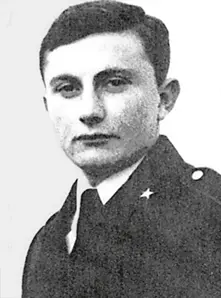
Ciriaco Di Roma, da Aiviter
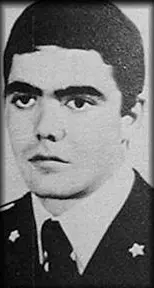
Francesco Straullu, da Aiviter
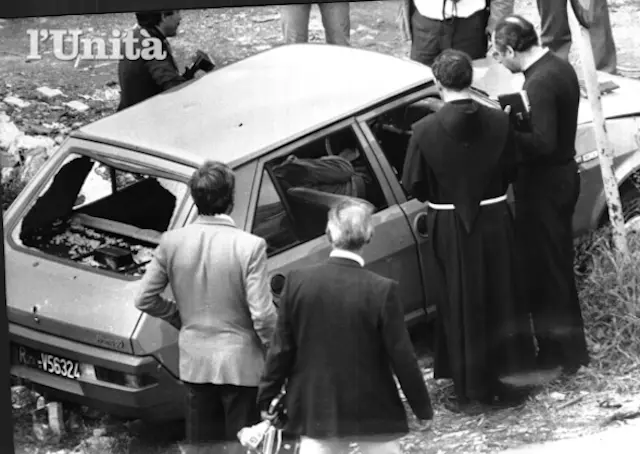
da Sardegna Live
English version
Francesco Straullu, 26 years old, captain of Public Security
Ciriaco Di Roma, 30 years old, chosen guard of Public Security
The three [Alibrandi, Cavallini, and Sordi] hurriedly left Milan [where they killed two policemen in a random shootout], returning by train to Rome, because another action was ready, again against the police: by now, it was open war between the NAR and anti-terrorism. More from Francesca Mambro:
It had become almost a personal war between us and the Digos of Rome. For months, alarming news had been coming from prison about the interrogation methods of Captain Straullu, who was the Roman head of anti-terrorism for the right-wing. I repeat, bad and unpleasant information came to us regarding him. We saw that even Di Vittorio recounted being interrogated and beaten in Treviso by agents of the Roman Digos, led by Straullu. And Magnetta named the Digos officer as responsible for the team that fired at the Gaggiolo checkpoint, injuring Carminati.
Francesca Mambro continues:
There were several people who had been beaten by him or by people from his team. For example, Gabriele De Francisci underwent a very heavy interrogation, with many beatings, as did Riccardo Brugia and other arrested boys. But we had come to accept it as a thing. When they arrest you, you also count on being beaten to make you talk. I always said that if one cannot endure suffering and physical pain and speaks, you cannot blame them. Trained men like secret agents even give in because why shouldn’t a twenty-year-old boy collapse, after all? And then who among us can know if and how much they would resist physical pain? In fact, when we heard rumors about people who did not have a “integrated” attitude toward beatings or torture, I was always hesitant to condemn them.
But then we learned that Straullu had surrounded the wife of an arrested comrade and, moreover, had even gone into the cell to tell him. That, I believe, was the last straw, because it meant taking away a person’s dignity, humiliating them in their privacy, and this was considered unacceptable by most of us. It was a painful decision to kill Straullu; some of us were against it because they did not want to oppose the police. “We already have them on our backs,” they said, “if we do such a thing, they will no longer give us respite. Why should we get involved in this story?” But then the decision to act prevailed. Enough, we said, let’s put an end once and for all to this story.
Straullu always drove in an armored car, driven by a Digos agent. He lived in the southern outskirts of the Capital, in Casal Bernocchi, towards Ostia. So the NAR armed themselves with assault rifles and armor-piercing bullets to break glass and armored plating. Cavallini even brought an Indian lance, with which to pierce Straullu’s heart. A symbolic meaning, according to him, as a warning to those who oppose the NAR. The action started at 9 in the morning on October 21, 1981. The NAR decided to wait for the Digos car at the exit of a short underpass leading to Via Ostiense. Vale and Mambro, in a car, were under Straullu’s house and would act as a relay, warning the firing group of the arrival of the police car. In previous ambushes, Straullu had been accompanied by a driver in an armored white Alfa Romeo, but today Mambro and Vale saw him get into a red Alfasud, apparently without armor. They left and arrived at the point where the black commando was posted.
They warned them: “Look, today Straullu is in a red Alfasud, not in the armored white Alfa Romeo.” But now the weapons were those. A few minutes later, the Alfa driven by chosen agent Ciriaco Di Roma, with Straullu at his side, entered the short tunnel of Ponte Ladrone. Sordi, with a G3 assault rifle on his shoulder, stood in the middle of the road and fired into the cabin, immediately followed by Alibrandi, who aimed with a Garand at the two policemen. The car now proceeded without control and, as soon as it exited the tunnel, was hit by bursts of M12 fired by Cavallini and Soderini. Then it ended its run against a wall.
Alibrandi approached Straullu and fired a final shot to the head, causing devastating effects, because the Garand was loaded with tracer bullets and he did not know it. At that point, the attack turned into a slaughter. Even beyond the intentions of the terrorists, who prevented Mambro from approaching the two lifeless bodies to take their guns and gave up the idea of piercing Straullu with Cavallini’s lance. Then they fled in two cars.
By now the NAR had cut ties with everything and everyone
