
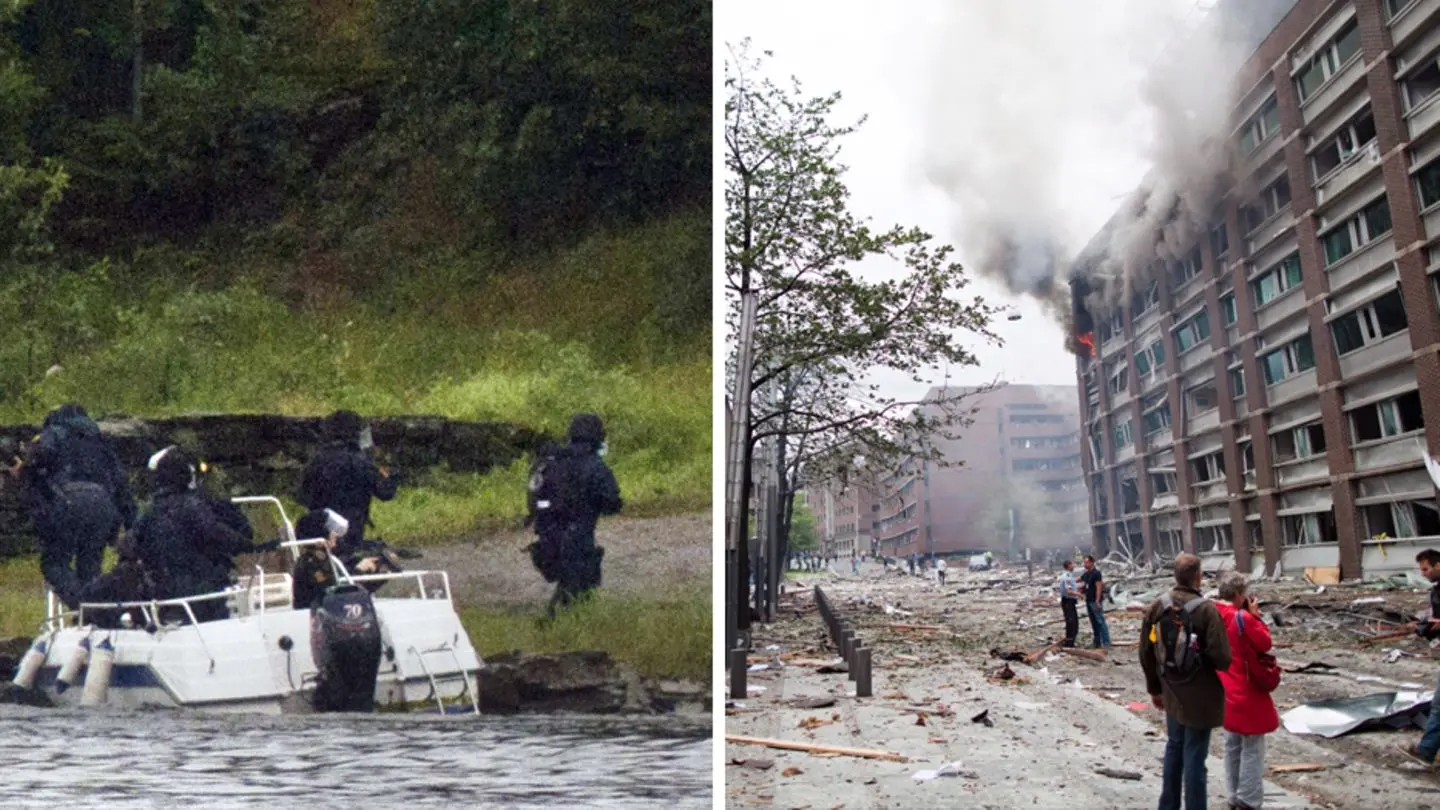
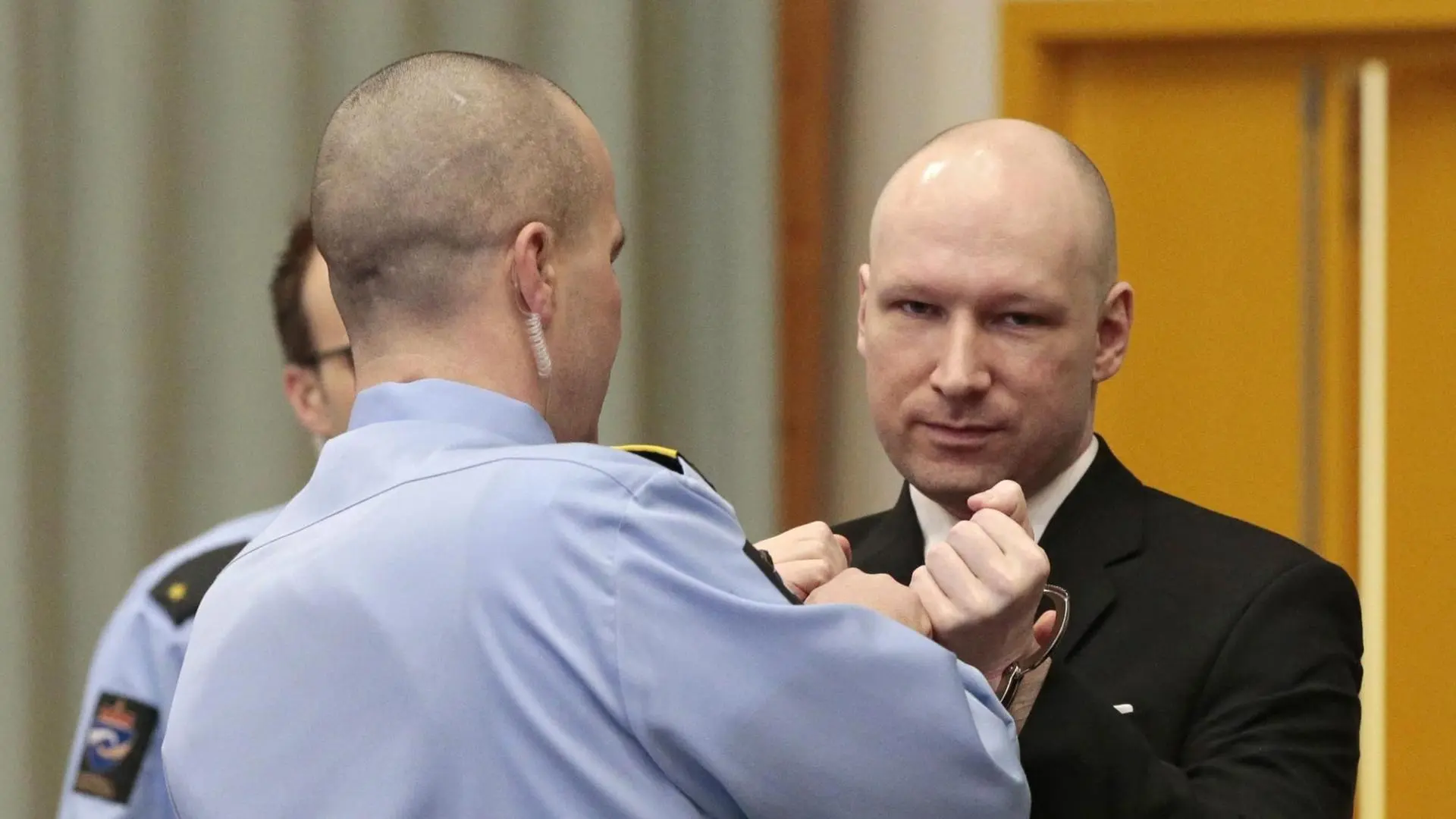
Gli attentati del 22 luglio 2011 in Norvegia, messi in opera da Anders Behring Breivik, hanno avuto luogo a Oslo e sull'isola di Utoya a poche ore di distanza. Il primo è stato realizzato mediante l'esplosione di una bomba al Regjeringskvartalet, il quartier generale del governo a Oslo: l'esplosione ha ucciso otto persone e ne ha ferite molte altre. Il secondo attacco, il più grave, è stato compiuto circa due ore più tardi sull'isola di Utøya, nel lago Tyrifjorden, dove si stava svolgendo il campo estivo dell'organizzazione giovanile del Partito laburista norvegese. Un uomo armato e vestito da poliziotto, poi riconosciuto in Breivik, ha aperto improvvisamente il fuoco sui giovani, uccidendone 69. Lo stesso uomo era stato precedentemente filmato dalle telecamere nella zona di Oslo dove era esplosa l'autobomba. Arrestato, Breivik è stato ritenuto responsabile di entrambi gli attentati ed è stato processato. Durante il processo, nel 2012, Breivik ha raccontato tutta la preparazione e i dettagli dell’azione terroristica non mostrando alcun pentimento per l'uccisione di decine di ragazzi. il tribunale lo definì capace di intendere e di volere, respingendo la tesi della procura che fosse psicotico; Breivik non presentò ricorso. Durante il processo entrò in aula ogni giorno facendo un saluto a pugno chiuso e dicendo ai genitori delle vittime che avrebbe voluto uccidere più persone.
A Breivik fu imposta la pena massima di 21 anni. Con una sostanziale differenza rispetto ad altri detenuti: una clausola, raramente usata nel sistema giudiziario norvegese, che prevede che il condannato possa essere trattenuto a tempo indeterminato se ancora considerato un pericolo per la società. Da ciò deriva che Breivik possa richiedere un'udienza sulla libertà vigilata dopo dieci anni. Da una parte, la clausola implica probabilmente una condanna all'ergastolo, dall'altra apre anche alla possibilità che Breivik possa richiedere udienze annuali sulla libertà condizionale.La Corte dovrà valutare se Breivik sia ancora pericoloso per la società e ci sia bisogno di una protezione “extra” nei suoi confronti, mantenendolo dunque in detenzione.
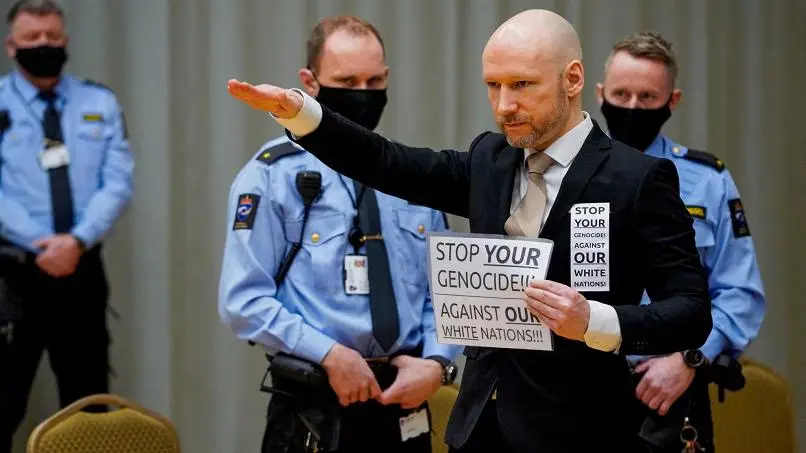
Nel 2022 Breivik ha fatto richiesta di libertà vigilata, proclamando di essere “cambiato”. L’udienza si è svolta il 18 gennaio davanti alla Corte distrettuale di Telemark (sud della Norvegia), in una palestra del carcere di Skien, dove Breivik è detenuto. Breivik si è presentato in tribunale facendo diverse volte il saluto nazista e con un simbolo suprematista bianco sulla giacca e su un cartello tenuto in mano.
Breivik (42 anni) ha fatto pertanto questa richiesta perché leader di un movimento norvegese neonazista, volendo sfruttare l'udienza più per manifestare le sue opinioni suprematiste bianche che per un serio tentativo di ottenere un'uscita anticipata, convinto che comunque non gli sarebbe stata accordata. Il primo febbraio 2022 la giustizia norvegese ha respinto la domanda di libertà vigilata. "C'è un chiaro rischio che (Breivik) ritorni al comportamento che ha portato agli attacchi terroristici del 22 luglio", ha stabilito il tribunale distrettuale di Telemark.
La decisione del tribunale era ampiamente prevista: Breivik non ha mai mostrato rimorso per aver perpetrato il crimine più sanguinoso mai commesso in Norvegia in tempo di pace.
Fonti
Treccani.it
Utoya e Oslo, strage di in "Lessico del XXI Secolo"
RaiNews
Strage di Utoya, Breivik torna in aula e chiede la libertà condizionata. Poi fa il saluto nazista
Approfondimenti
RaiPLay
TG24Sky
Strage di Utoya, il giorno in cui la Norvegia perse la sua innocenza
RepubblicaTv
RaiPlaysound
La Strage di Utøya | Rai Radio 3 | RaiPlay Sound
da Stern
da Deutschlandfunk
da Rei News
English version
The attacks of 22 July 2011 in Norway, carried out by Anders Behring Breivik, took place in Oslo and on the island of Utøya a few hours apart. The first was carried out by detonating a bomb in the Regjeringskvartalet, the government quarter in Oslo; the explosion killed eight people and injured many others. The second attack, the more serious one, was carried out about two hours later on the island of Utøya, in Lake Tyrifjorden, where the summer camp of the youth organization of the Norwegian Labour Party was being held. An armed man dressed as a police officer, later identified as Breivik, suddenly opened fire on the young people, killing 69 of them. The same man had previously been filmed by security cameras in the area of Oslo where the car bomb had exploded. Once arrested, Breivik was held responsible for both attacks and was put on trial. During the trial, in 2012, Breivik recounted all the preparation and details of the terrorist action, showing no remorse for the killing of dozens of young people. The court declared him sane and fully responsible for his actions, rejecting the prosecution’s argument that he was psychotic; Breivik did not appeal. During the trial, he entered the courtroom every day giving a raised‑fist salute and telling the victims’ parents that he wished he had killed more people.
Breivik was given the maximum sentence of 21 years. This came with a substantial difference compared to other prisoners: a clause, rarely used in the Norwegian judicial system, which provides that the convicted person may be held for an indefinite period if still considered a danger to society. As a consequence, Breivik can request a hearing on parole after ten years. On the one hand, the clause probably implies a life sentence; on the other, it also opens the possibility for Breivik to request annual hearings on conditional release. The Court will have to assess whether Breivik still represents a danger to society and whether there is a need for “extra” protection against him, thus keeping him in detention.
In 2022, Breivik applied for parole, claiming that he had “changed”. The hearing was held on 18 January before the Telemark District Court (in southern Norway), in a gym at Skien prison, where Breivik is being held. Breivik appeared in court repeatedly giving the Nazi salute and wearing a white supremacist symbol on his jacket and on a sign he held in his hand.
Breivik (42 years old) therefore made this request as the leader of a Norwegian neo‑Nazi movement, seeking to use the hearing more to express his white supremacist views than as a serious attempt to obtain early release, convinced that it would not be granted anyway. On 1 February 2022, the Norwegian judiciary rejected his request for parole. “There is a clear risk that (Breivik) will return to the behaviour that led to the terrorist attacks of 22 July,” the Telemark District Court ruled. The court’s decision was widely expected: Breivik has never shown remorse for having committed the bloodiest crime ever carried out in Norway in peacetime.
