
E’ il 15 Aprile del 2013, quando durante la maratona di Boston, scoppiano due ordigni rudimentali, portati all'interno di zainetti a spalla: le vittime sono tre, tra cui un bimbo di soli 8 anni. Tra i feriti, più di 260, in 17 subiscono amputazioni degli arti. La prima bomba esplode a poche centinaia di metri dal traguardo, travolgendo i runner che stavano per raggiungere l'arrivo. Il tempo di realizzare di essere nel mezzo di un'emergenza, ed una seconda bomba deflagra più giù, lungo il percorso. Secondo l’Fbi le due bombe sono state costruite usando due pentole a pressione riempite di esplosivo a basso costo, chiodi, cuscinetti e pezzi di metallo. All'inizio delle indagini resta in piedi sia l'ipotesi islamica che quella del terrorismo interno. Attraverso un team speciale delle forze dell'ordine americano, messo in piedi in tempo record, vengono analizzate tutte le immagini delle telecamere stradali ed intervistati decine di testimoni.
Il 18 aprile la polizia identifica i due sospetti: Tamerlan Tsarnaev, 26 anni, e suo fratello Dzhokhar Tsarnaev, 19 anni, di origine cecena. Due anni prima i servizi segreti russi avevano segnalato Tamerlan Tsarnaev all’Fbi, identificandolo come un sostenitore del fondamentalismo islamico.
La sera del 18 aprile il poliziotto Sean Collier, 27 anni, viene ucciso vicino al Massachusetts institute of technology, forse dai fratelli Tsarnaev, che nel frattempo si sono messi in fuga a bordo di un suv.
Il 19 aprile la polizia localizza i due uomini a Watertown, una piccola città vicino a Boston. Comincia un inseguimento seguito da una sparatoria. Tamerlan Tsarnaev muore, mentre Dzhokhar Tsarnaev, rimasto ferito, riesce a nascondersi dentro una barca. Gli agenti lo trovano e lo portano in ospedale.
Il 30 aprile due amici di Dzhokhar Tsarnaev sono accusati di aver cercato di distruggere delle prove nascondendo il computer del ragazzo. Un altro è accusato di falsa testimonianza alla polizia.
Il 22 maggio a Orlando, in Florida, un agente dell’Fbi uccide Ibragim Todashev, un altro amico di Dzhokhar. L’agente ha dichiarato che il colpo è partito in modo accidentale mentre stava interrogando il sospetto nel suo appartamento, dove l’uomo l’ha aggredito. L’Fbi dichiara che Todashev, prima di morire, ha ammesso il suo coinvolgimento nell’attentato.
Il 30 gennaio 2014 gli avvocati dell’accusa annunciano che chiederanno la pena di morte per Dzhokhar Tsarnaev.
Il 4 marzo 2015 si apre il processo. Dzhokhar Tsarnaev deve rispondere di trenta capi d’accusa, quattro dei quali per omicidio. Gli avvocati dell’accusa lo definiscono “un soldato in guerra santa” che voleva “uccidere degli americani innocenti per punire gli Stati Uniti”.
Il 6 aprile 2015 si tengono le arringhe finali dell’accusa e della difesa.
Il 15 maggio 2015 Dzhokhar Tsarnaev viene condannato a morte per iniezione letale.
Una corte federale rovescia nel luglio del 2020 la sentenza contro il giovane - di origini cecene - accogliendo il ricorso contro la pena di morte che avevano presentato i suoi legali. Un mese dopo l'allora presidente Donald Trump, chiede alla Corte Suprema di ripristinare la pena capitale.
Nel marzo 2022 la Corte suprema americana ripristina la pena di morte per Dzhokhar Tsarnaev. I giudici, con un voto di 6 a 3, hanno concordato con le argomentazioni dell'amministrazione Biden, secondo le quali la corte d'appello federale aveva sbagliato a respingere la condanna a morte.
Fonti
RaiNews, 4/3/2022
Usa, ristabilita la pena di morte per il killer della maratona di Boston
Internazionale.it, 9/4/2015
Attentato di Boston: tutte le tappe del processo a Tsarnaev - Internazionale
Documenti
Video dell’esplosione RaiNews
Bombe alla maratona di Boston. Il video dell'attentato - video - Rai News
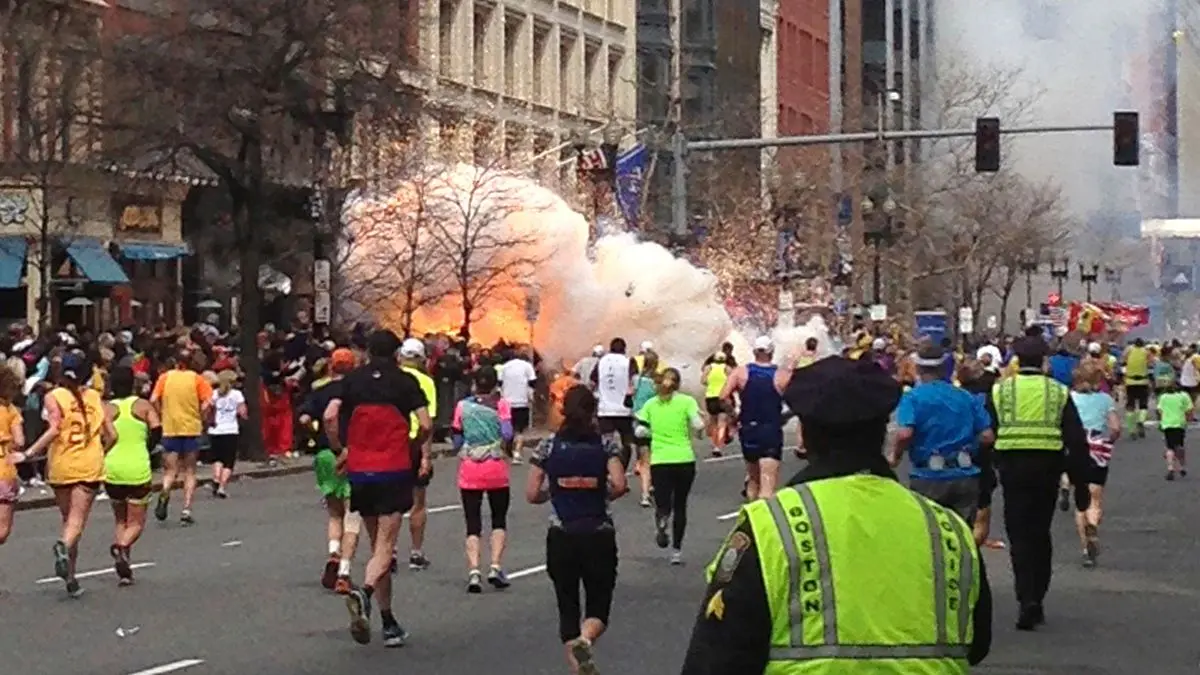
da Spiegel
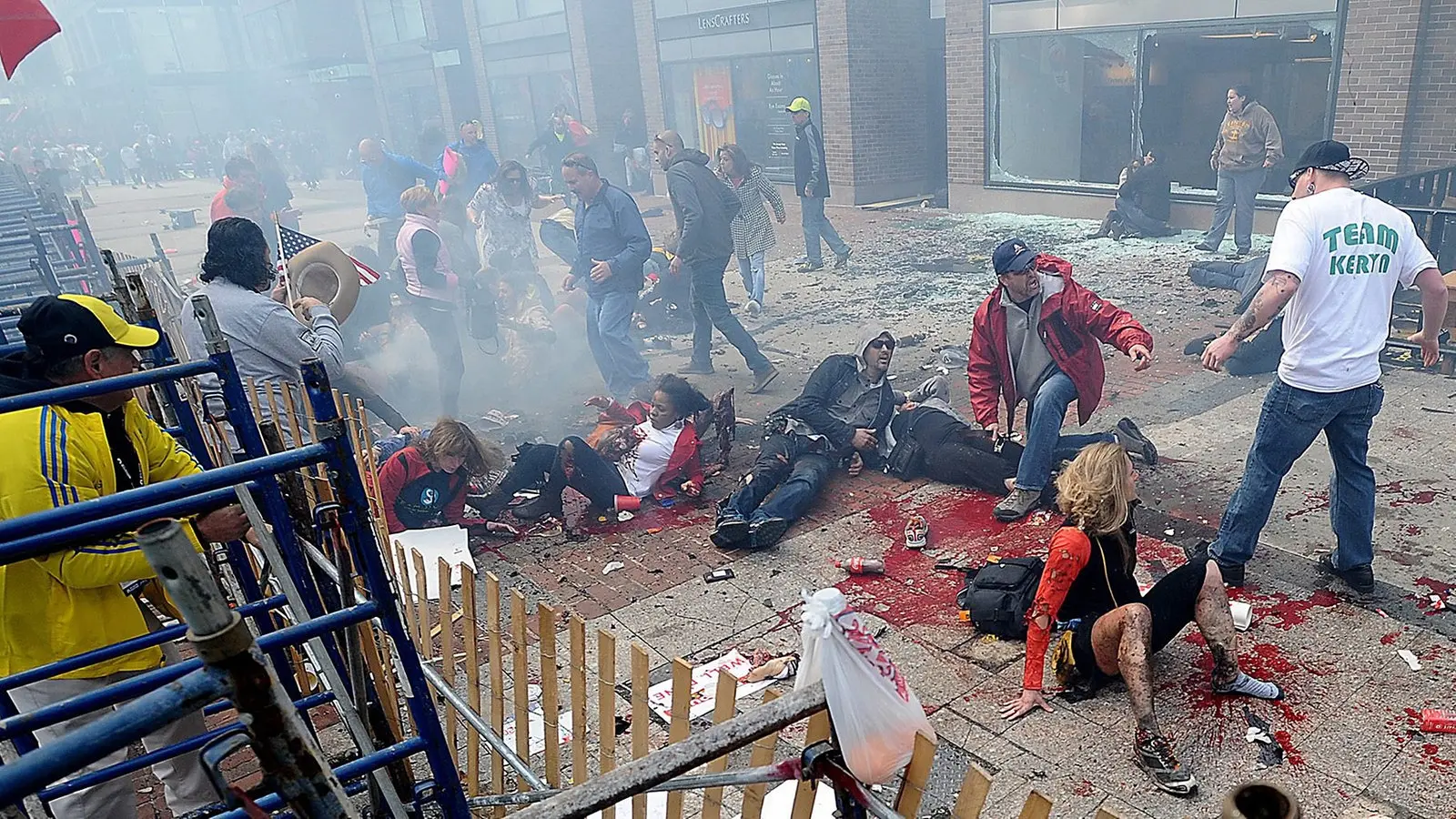
da Wdr
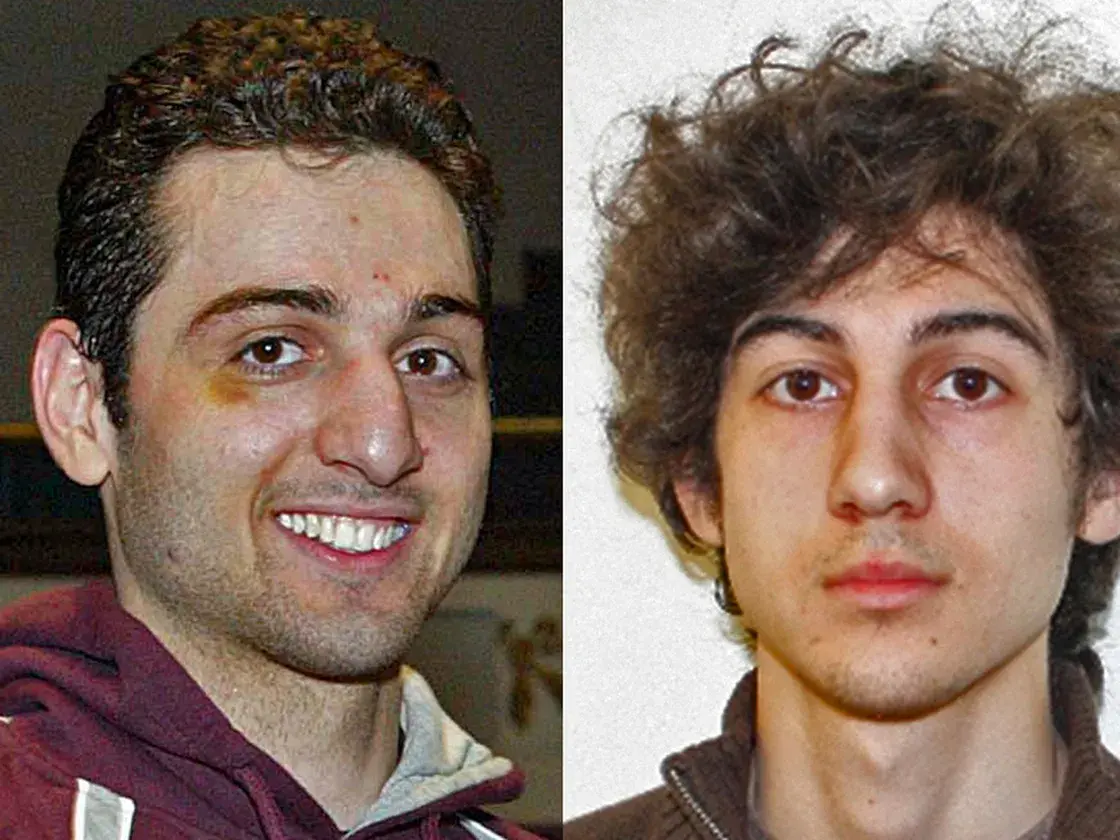
da Die Zeit: i fratelli Tsarnaev
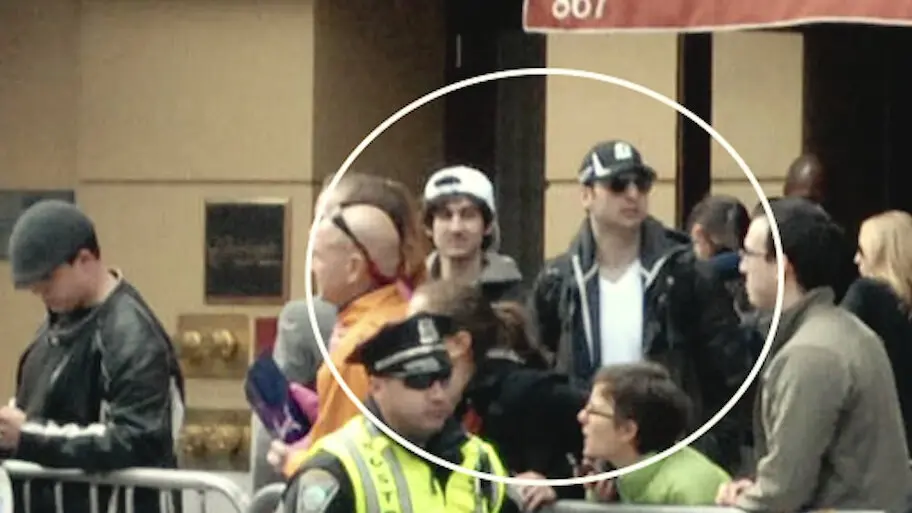
da Netflix
English version
On 15 April 2013, during the Boston Marathon, two improvised explosive devices went off, carried in shoulder backpacks; there were three victims, including a child of only 8 years old. Among the more than 260 injured, 17 people underwent limb amputations. The first bomb exploded a few hundred metres from the finish line, hitting runners who were about to reach the end of the race. Just as people realized they were in the middle of an emergency, a second bomb went off further down along the course. According to the FBI, the two bombs were made using pressure cookers filled with inexpensive explosive, nails, ball bearings, and pieces of metal.
At the beginning of the investigation, both the hypothesis of an Islamist attack and that of domestic terrorism remained open. Through a special law‑enforcement task force set up in record time, all footage from street cameras was analysed and dozens of witnesses were interviewed. On 18 April the police identified the two suspects: Tamerlan Tsarnaev, 26, and his brother Dzhokhar Tsarnaev, 19, of Chechen origin. Two years earlier, Russian intelligence services had alerted the FBI about Tamerlan Tsarnaev, identifying him as a supporter of Islamic fundamentalism.
On the evening of 18 April, police officer Sean Collier, 27, was killed near the Massachusetts Institute of Technology, possibly by the Tsarnaev brothers, who in the meantime had fled in an SUV. On 19 April the police located the two men in Watertown, a small town near Boston, and a chase followed by a shoot‑out began. Tamerlan Tsarnaev died, while Dzhokhar Tsarnaev, wounded, managed to hide inside a boat; officers found him and took him to hospital.
On 30 April two friends of Dzhokhar Tsarnaev were charged with attempting to destroy evidence by hiding the young man’s computer, and another was charged with making false statements to the police. On 22 May in Orlando, Florida, an FBI agent killed Ibragim Todashev, another friend of Dzhokhar’s; the agent stated that the shot was fired accidentally while he was questioning the suspect in his apartment, where the man had attacked him. The FBI stated that before dying, Todashev admitted his involvement in the attack.
On 30 January 2014, prosecutors announced that they would seek the death penalty for Dzhokhar Tsarnaev. The trial opened on 4 March 2015, with Tsarnaev facing thirty counts, four of them for murder. Prosecutors described him as “a soldier in a holy war” who wanted “to kill innocent Americans as punishment for the United States.” On 6 April 2015 the prosecution and the defence delivered their closing arguments. On 15 May 2015 Dzhokhar Tsarnaev was sentenced to death by lethal injection.
In July 2020 a federal court overturned the sentence against the young man of Chechen origin, upholding the appeal against the death penalty filed by his lawyers. A month later, then‑President Donald Trump asked the Supreme Court to reinstate the death penalty. In March 2022 the U.S. Supreme Court reinstated the death sentence for Dzhokhar Tsarnaev. The justices, by a 6–3 vote, agreed with the arguments of the Biden administration that the federal court of appeals had been wrong to overturn the death sentence.
